Twenty Short Stories from India’s Unrecorded Hours
History records its milestones with precision. A year. A battle. A proclamation. A coronation. The dates remain fixed, neat and unquestioned in the margins of textbooks.
Yet between those dates lie hours that history rarely pauses to notice. Hours of hesitation before a decision, of doubt before courage, of quiet resolve before an act that would later be remembered. In those unrecorded spaces lived the human beings behind the names.
Lives Between the Dates: Twenty Short Stories from India’s Unrecorded Hours travels into those forgotten moments. Across twenty cities and centuries, these stories imagine the private intervals in the lives of poets, rulers, reformers, revolutionaries, engineers and dreamers. Not the moment when history spoke their names, but the quieter hour when they were still listening to themselves.
These are not retellings of famous events. They are glimpses of the silence around them. And sometimes, it is in that silence that a life reveals its truest shape.
STORY 1: THE NAME ON THE WALL
Binodini Dasi, Kolkata, circa 1883
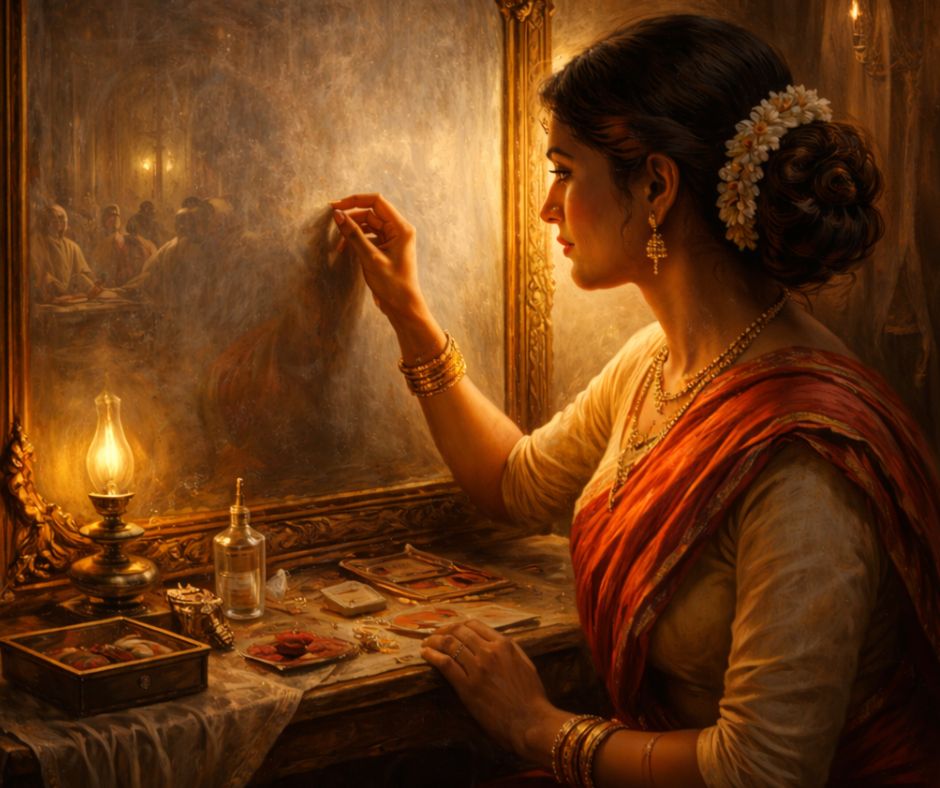
In nineteenth-century Calcutta, the theatre lights burned bright, but the woman who helped build that stage was never meant to stand in its history. The Name on the Wall follows Binodini Dasi on an evening when applause fills the hall but recognition quietly slips away. It is the story of talent, sacrifice, and a single name that deserved to remain where history tried to erase it.
STORY 2: THE FLAG THAT STAYED FOLDED
Bhikaji Cama, Mumbai, circa 1907
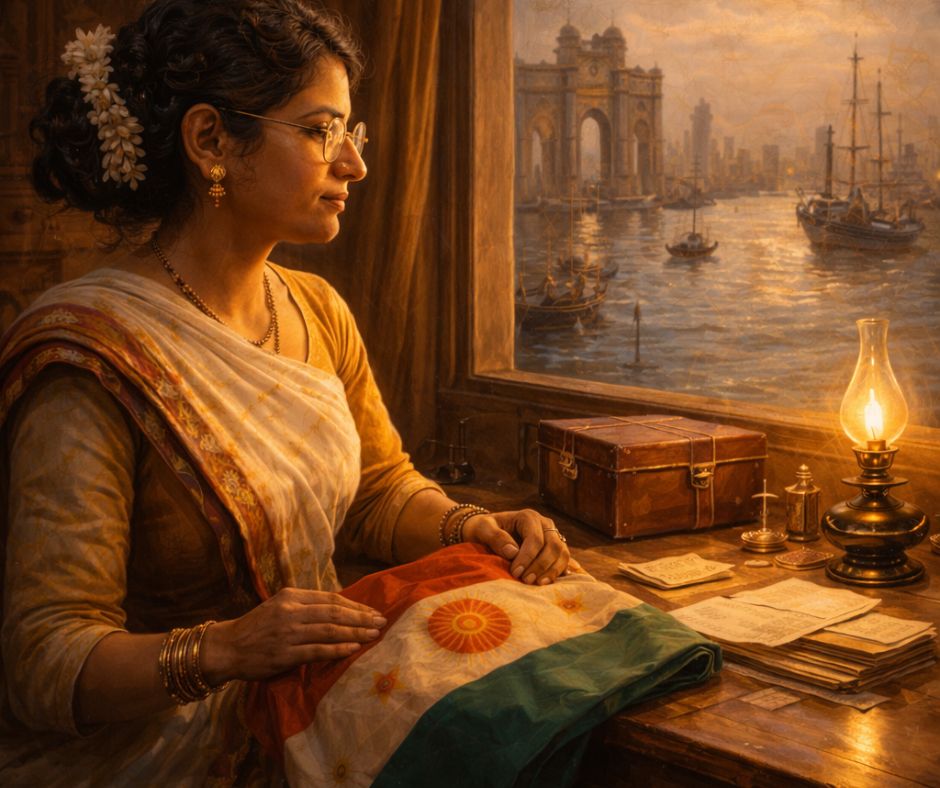
In a quiet room in Paris, far from the country she still carries within her, Bhikaji Cama unfolds a flag the world has not yet seen. It is only cloth stitched with colour, resting silently in her hands. Yet within its folds lies a defiance strong enough to travel across continents and challenge an empire. This story lingers in the reflective hours before that flag is raised before the world.
STORY 3: THE LETTER THAT STAYED UNSENT
Mirza Ghalib, Delhi, circa 1858
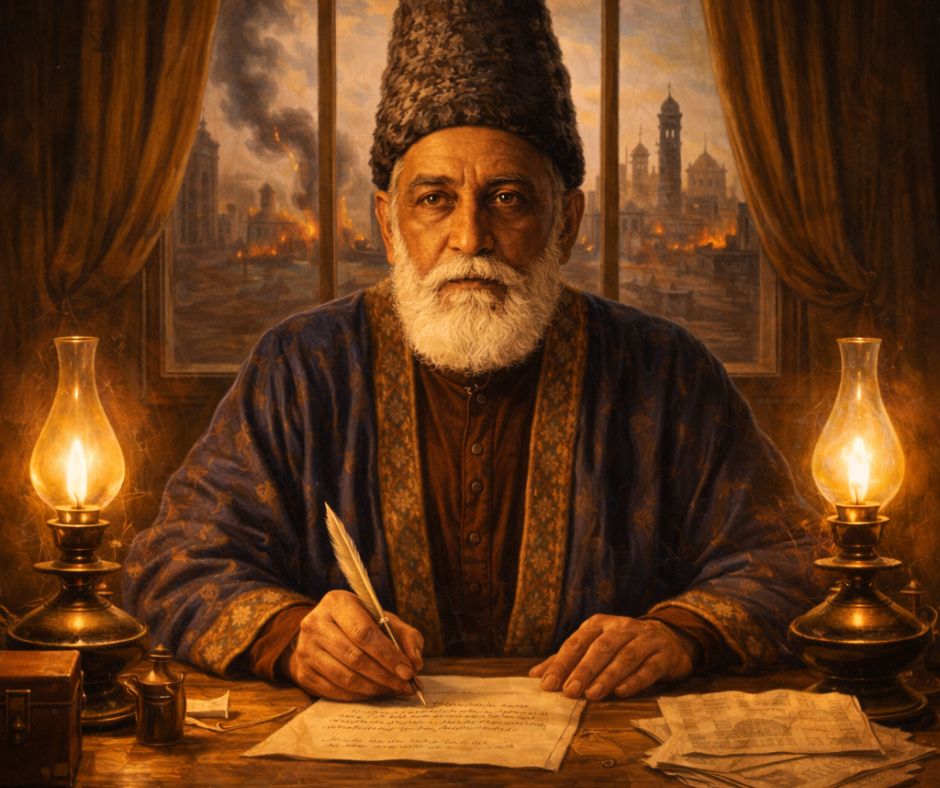
Delhi after 1857 is a wounded city, its poetry scattered like ash. Mirza Ghalib sits with quill in hand, writing a letter that refuses to reach its conclusion. Between grief, memory, and irony, the poet weighs what can still be said in a world where even language has begun to tremble.
STORY 4: THE PRICE OF THE CROSSING
Kabir, Varanasi, late fifteenth century
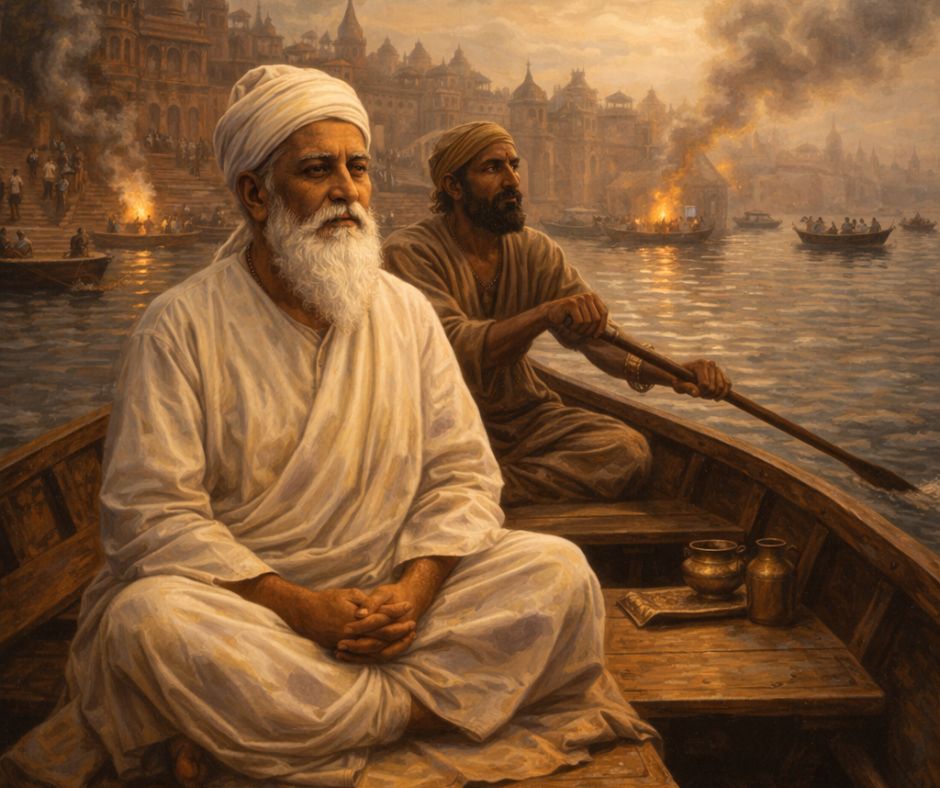
Every morning the river carries people from one bank to another. But Kabir wonders what it truly means to cross. In the bustle of boats and prayers on the ghats of Varanasi, a simple question rises above ritual and belief: what must a person leave behind to reach the other side?
STORY 5: THE WEIGHT OF THE RIVER
Rajendra Prasad, Patna, circa 1920
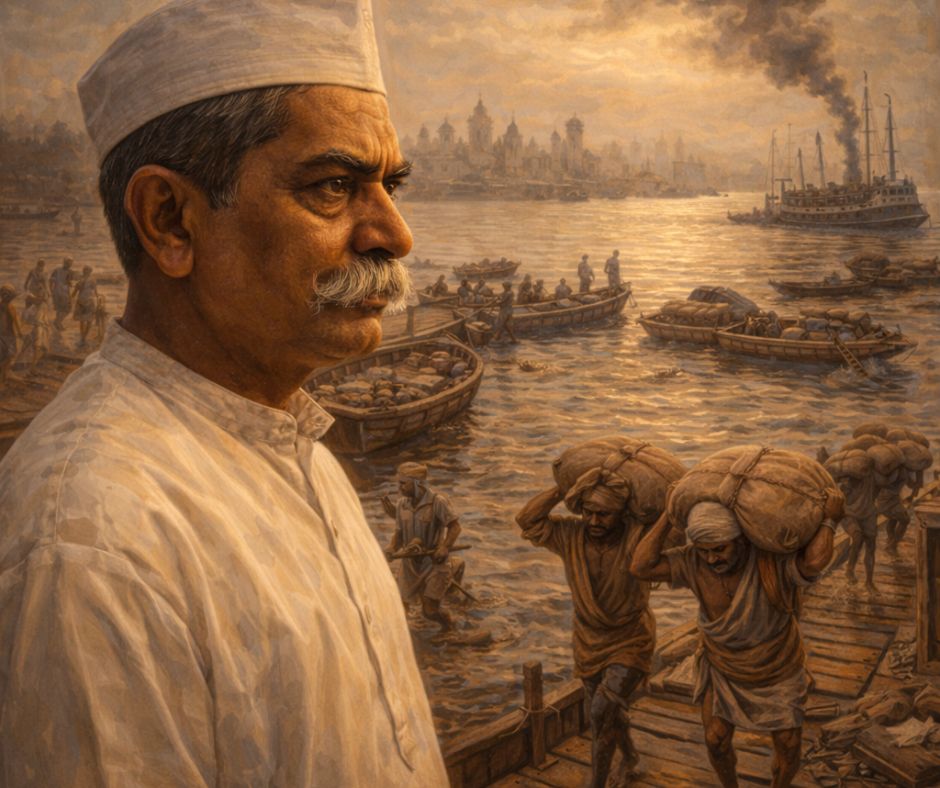
On the banks of the Ganga, a young lawyer watches the river move with quiet authority. Rajendra Prasad stands at the edge of a decision that will pull him away from comfort and toward struggle. The current before him mirrors the one beginning to stir within the nation.
STORY 6: A LANGUAGE THAT WAITED
Subramania Bharati, Chennai, circa 1909
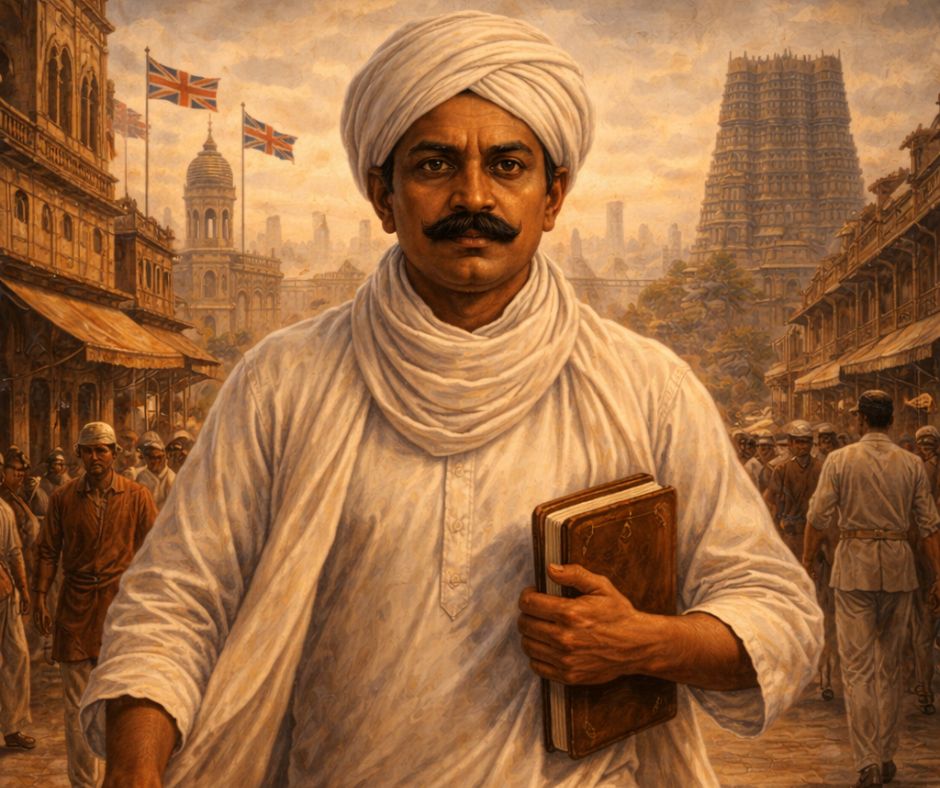
Exile sharpens a poet’s voice. In the humid streets of Madras, Subramania Bharati wrestles with words that refuse to remain polite or obedient. His language is restless, impatient, waiting for a nation that has not yet fully learned to hear it.
STORY 7: THE MARGIN OF ERROR
Sir M. Visvesvaraya, Bengaluru, circa 1905
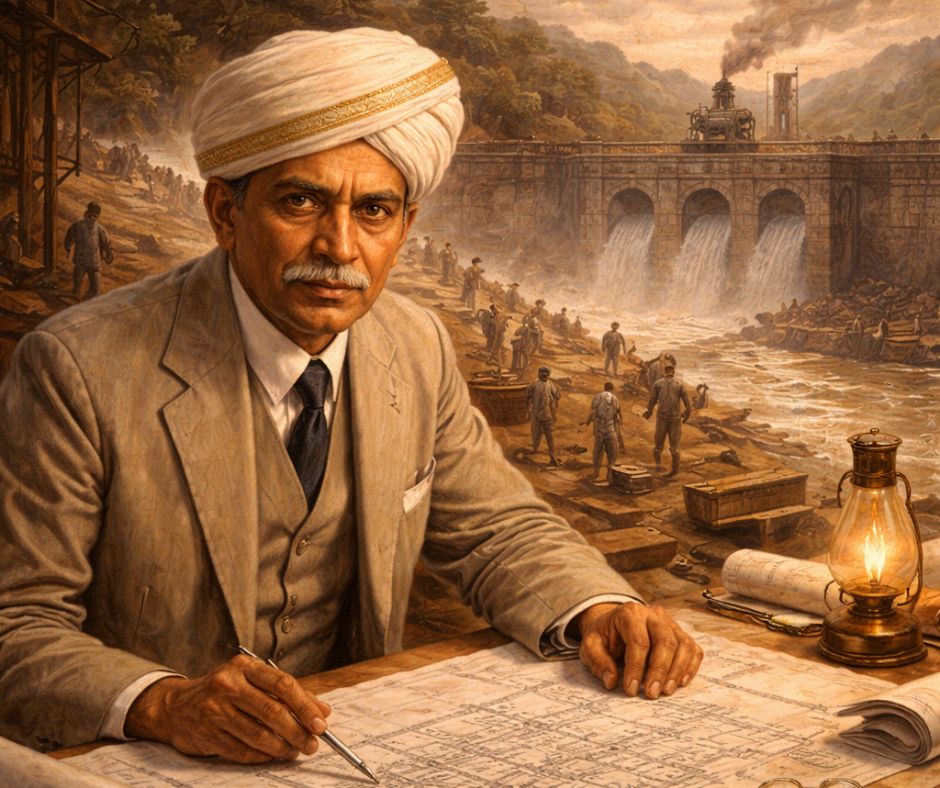
For an engineer, the world is built on precision. Yet even the most carefully drawn plans contain a thin, troubling space known as the margin of error. In Bengaluru, a young Visvesvaraya confronts that delicate boundary where calculation ends and courage begins.
STORY 8: WHAT SHE DID NOT SAY
Sarojini Naidu, Hyderabad, circa 1928
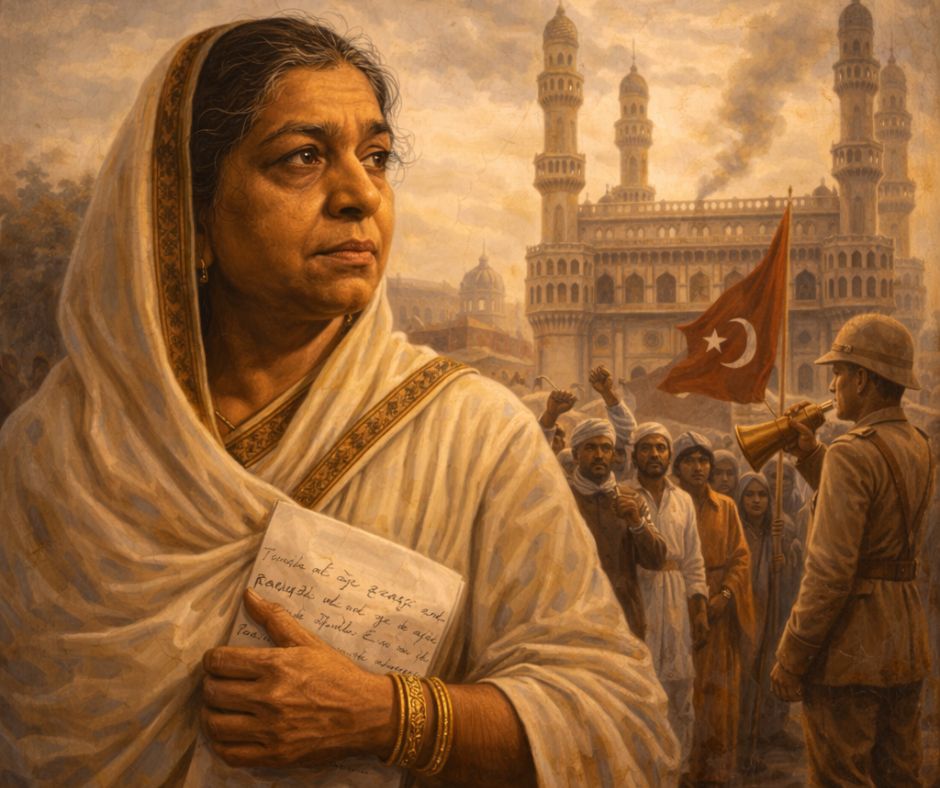
Sarojini Naidu was known for words that sparkled like song. But on one evening in Hyderabad, the most powerful sentence is the one she chooses not to speak. Silence, too, can shape a moment, and sometimes it carries a meaning louder than applause.
STORY 9: WHEN THE SKY REFUSED TO ANSWER
Sawai Jai Singh II, Jaipur, circa 1730
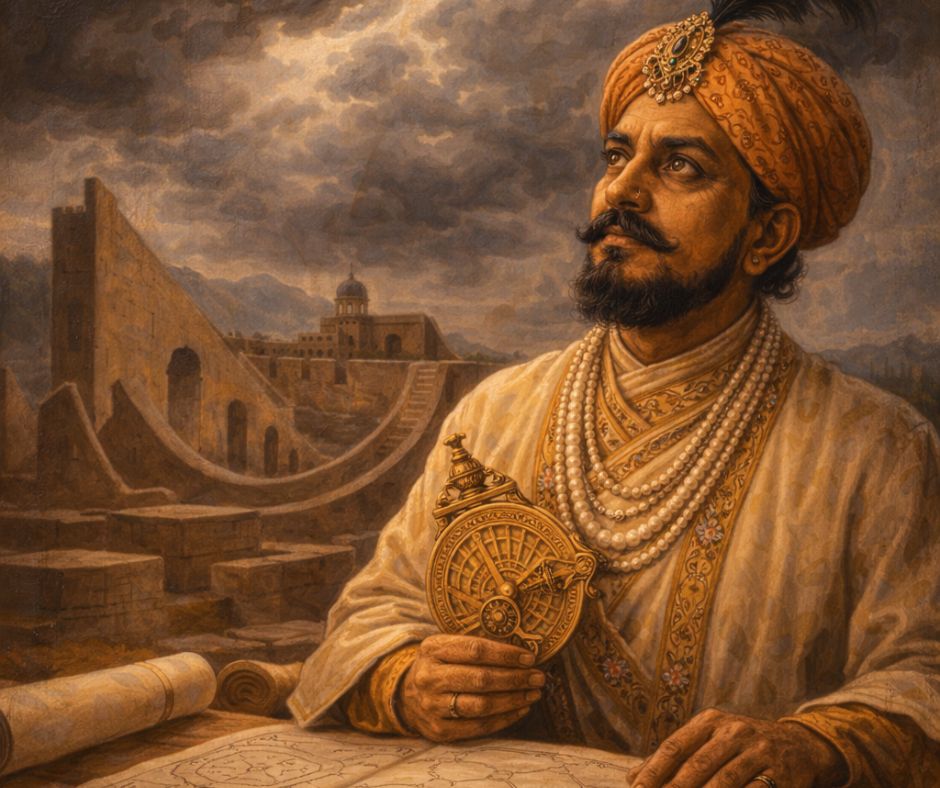
A king turns his gaze upward, searching the night sky for certainty. Sawai Jai Singh II builds instruments to measure the heavens, convinced that the universe must reveal its order. Yet on one restless night in Jaipur, the stars offer only questions.
STORY 10: THE WAITING OUTSIDE THE GATE
Anasuya Sarabhai, Ahmedabad, circa 1918
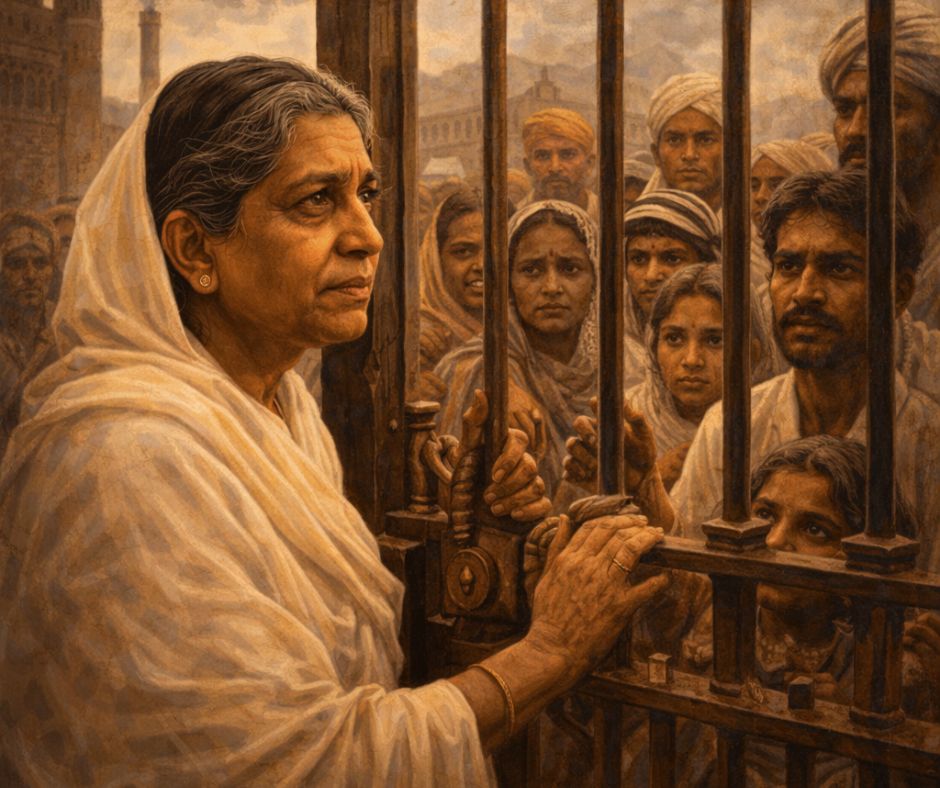
Outside the gates of a textile mill, workers gather with uncertainty in their eyes. Among them stands Anasuya Sarabhai, neither factory owner nor labourer, yet bound to both worlds. In the stillness before a strike begins, patience becomes its own form of courage.
STORY 11: THE JOKE THAT WOULD NOT COME
Saadat Hasan Manto, Amritsar, circa 1947
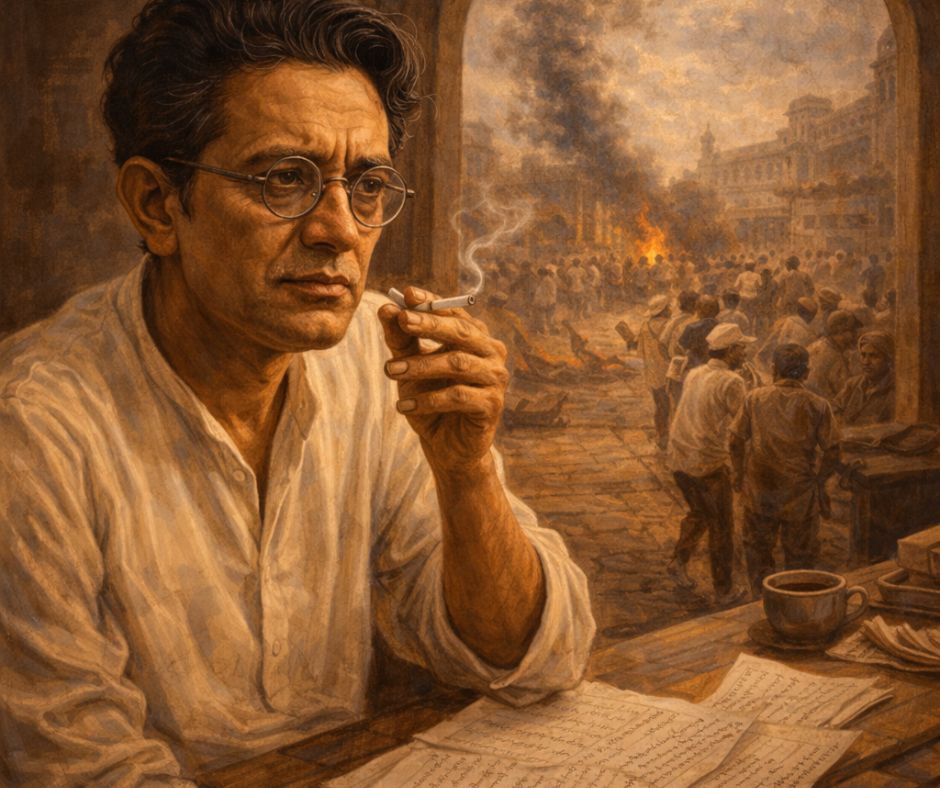
Manto once believed that humour could rescue a conversation from darkness. But in 1947, Amritsar has forgotten how to laugh. Sitting among friends who wait for his usual wit, the writer discovers that some moments refuse to be softened by a joke.
STORY 12: WHAT THE COURTYARD REMEMBERED
Begum Hazrat Mahal, Lucknow, circa 1879
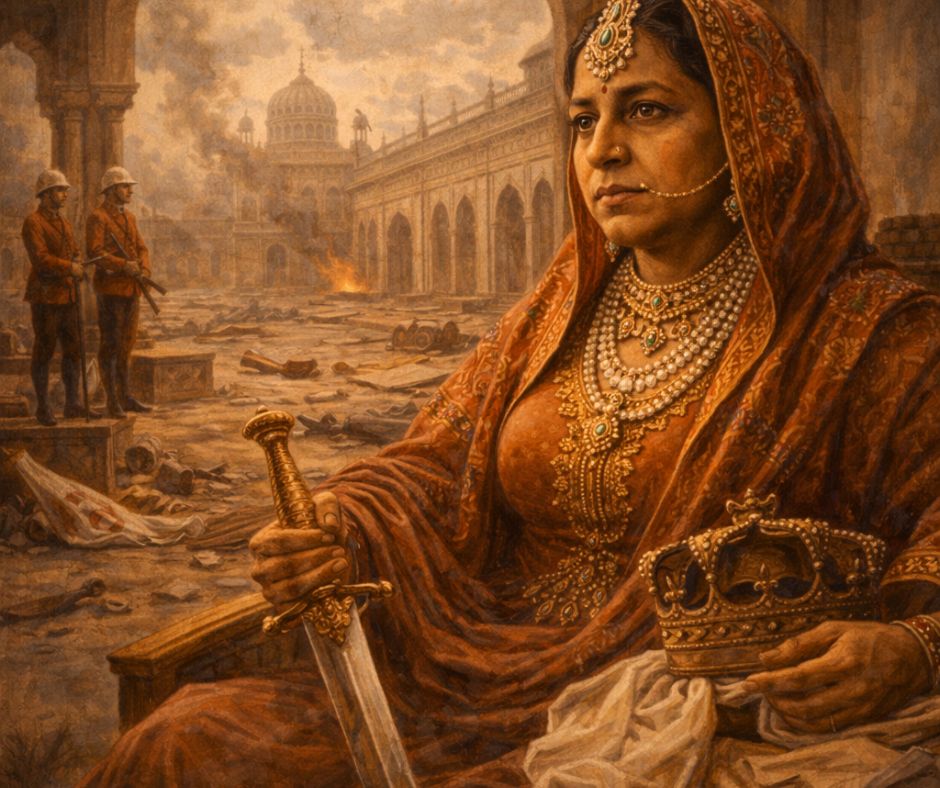
Long after battles fade and proclamations grow silent, old courtyards continue to hold the echoes of resistance. Begum Hazrat Mahal walks through a memory of Lucknow that history has begun to forget. The stones beneath her feet remember more than any chronicle.
STORY 13: THE DISTANCE BETWEEN STONES
Savitribai Phule, Pune, circa 1851
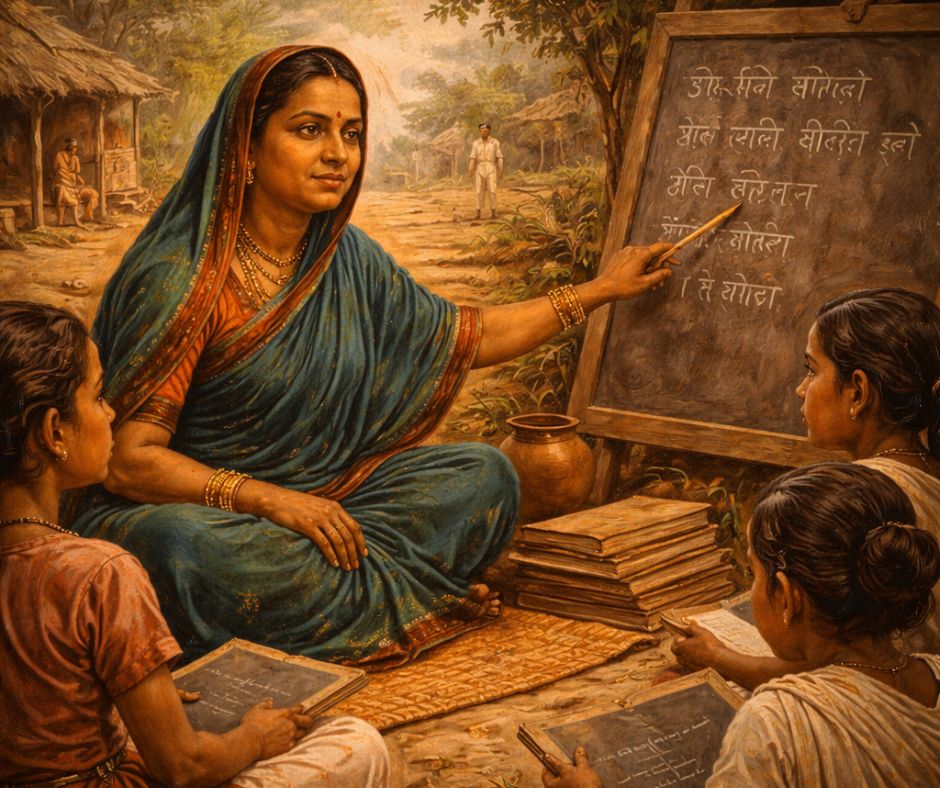
Every morning Savitribai Phule walks to the school she helped create. Some days the road greets her with curiosity, other days with stones. Between those stones and the classroom door lies the fragile distance where education begins to change a society.
STORY 14: THE MATTER OF A SIGNATURE
Ahilyabai Holkar, Indore, circa 1775
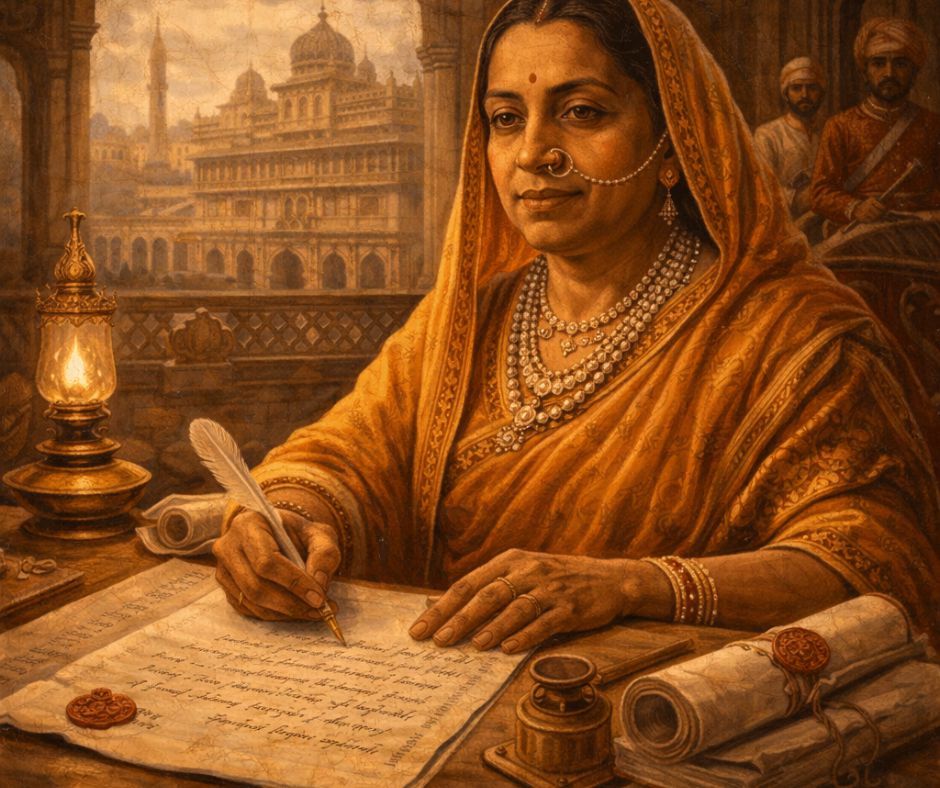
Empires are often shaped by armies and battles. Yet sometimes the future rests on something smaller: the careful stroke of a pen. In Indore, Ahilyabai Holkar pauses before signing a decision that will ripple quietly through generations.
STORY 15: WHAT THE STONE WOULD HOLD
Rajaraja Chola, Thanjavur, circa 1005
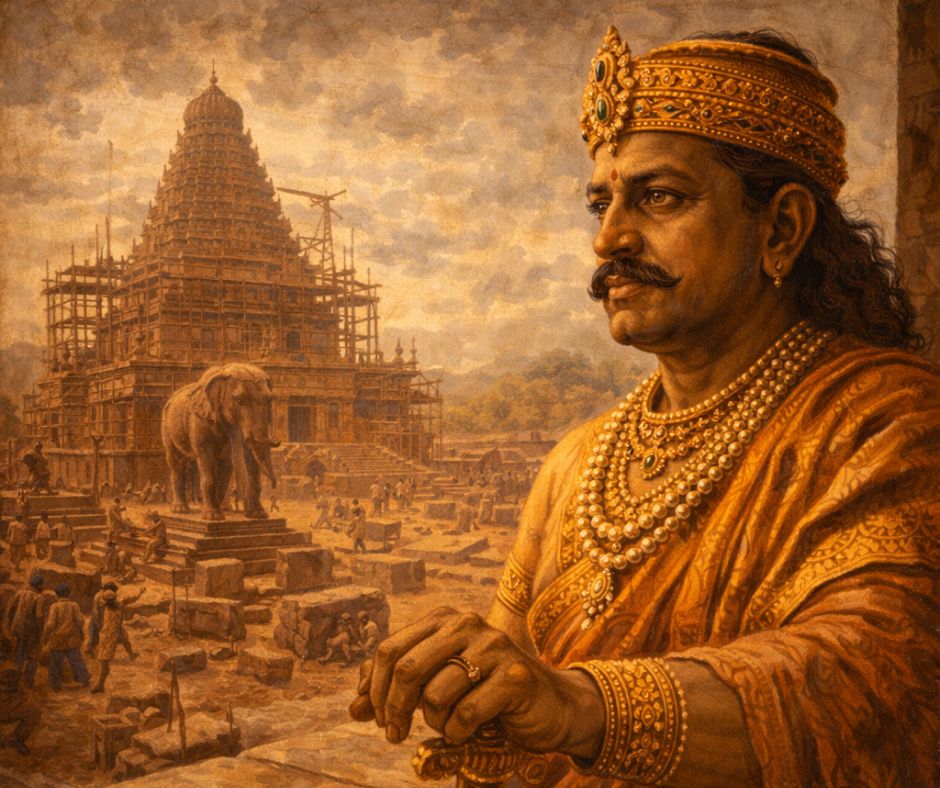
Great temples rise slowly, one stone at a time. Rajaraja Chola watches the walls of a future monument take shape, wondering what memory those stones will carry long after kings are forgotten. In that question lies the true ambition of empire.
STORY 16: THE HOURS BETWEEN THE TIDES
Kunjali Marakkar, Kochi, circa 1595
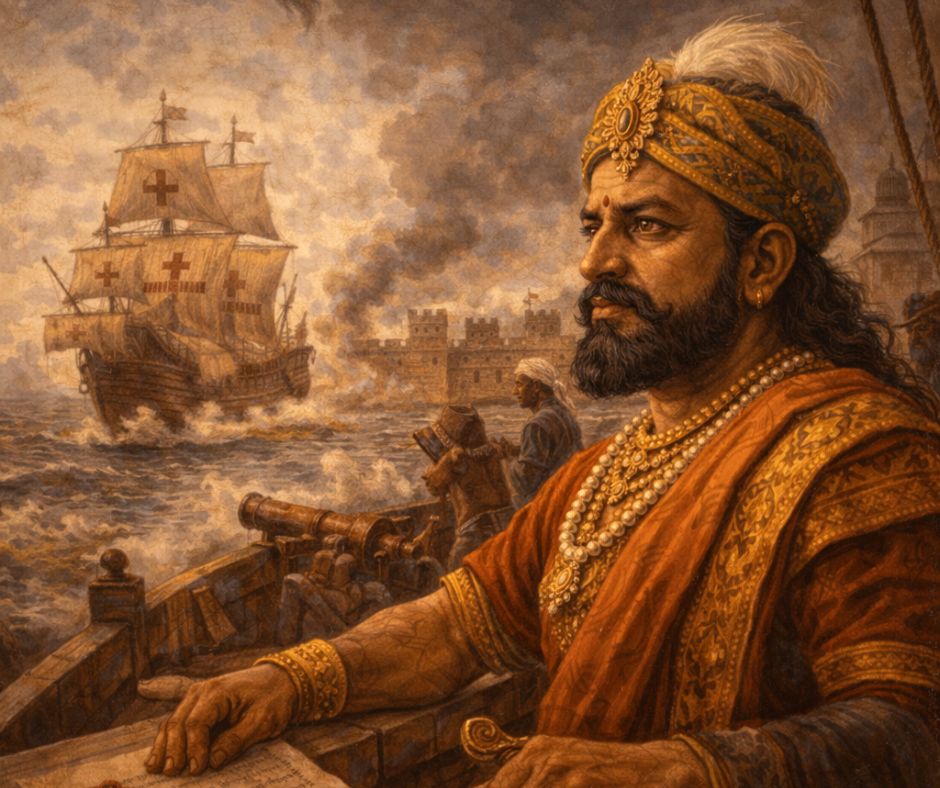
Along the Malabar coast, the sea never truly rests. Kunjali Marakkar studies the shifting tides, knowing that power at sea depends on patience as much as courage. In those quiet hours between waves, strategy begins to take form.
STORY 17: THE SOUND THE RIVER KEPT
Lachit Borphukan, Guwahati, circa 1671
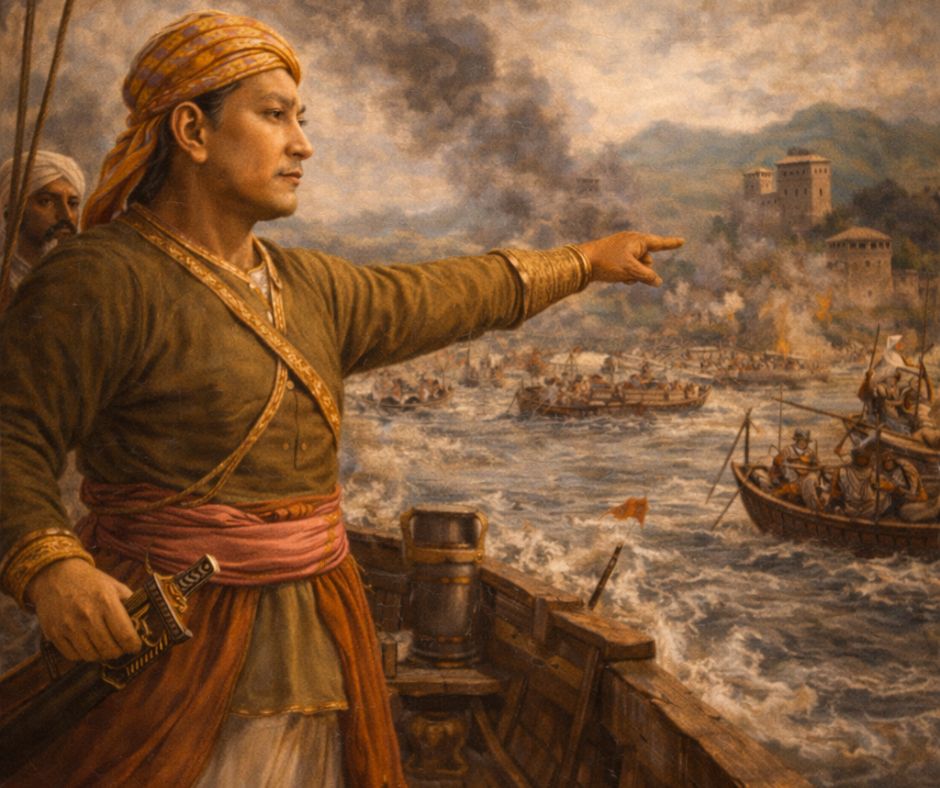
The Brahmaputra moves with a force that few armies can command. Lachit Borphukan listens carefully to its restless voice, searching for a way to turn river and resolve into defence. Sometimes the land itself becomes a silent ally.
STORY 18: WHAT THE SNOW DID NOT SILENCE
Habba Khatoon, Srinagar, late sixteenth century
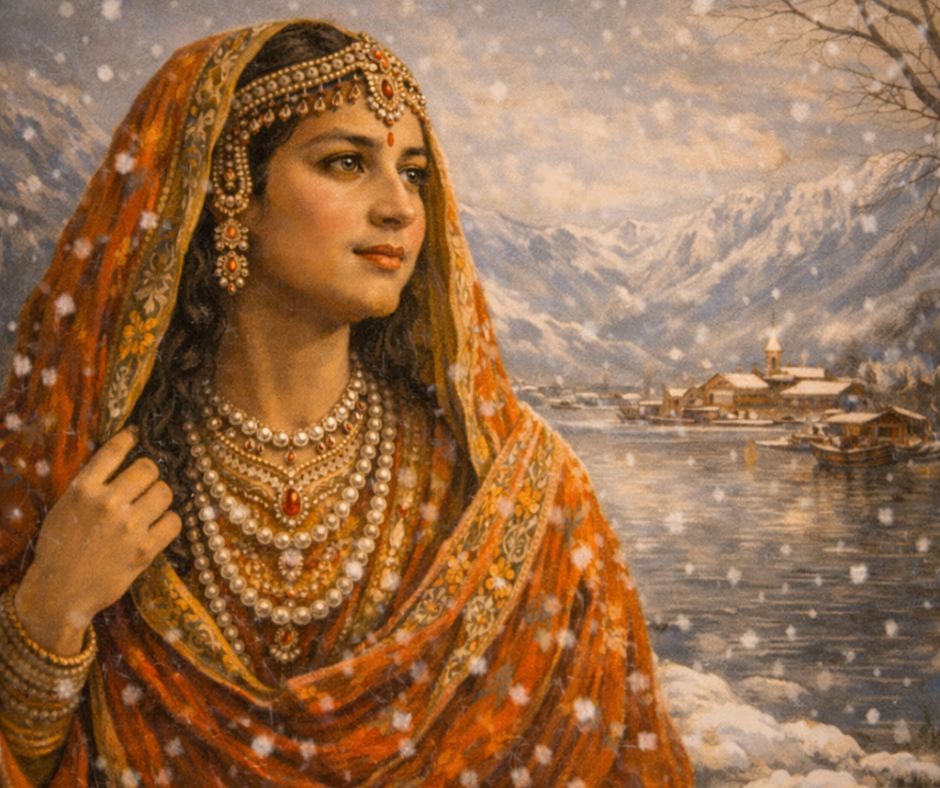
Snow can soften a landscape, quieting footsteps and muffling sound. Yet some grief refuses to be buried beneath winter. In Kashmir, the poet Habba Khatoon discovers that even the deepest snowfall cannot silence a song once it has begun.
STORY 19: BEFORE THE BELL FINISHED RINGING
Mangaiyarkarasi, Madurai, seventh century
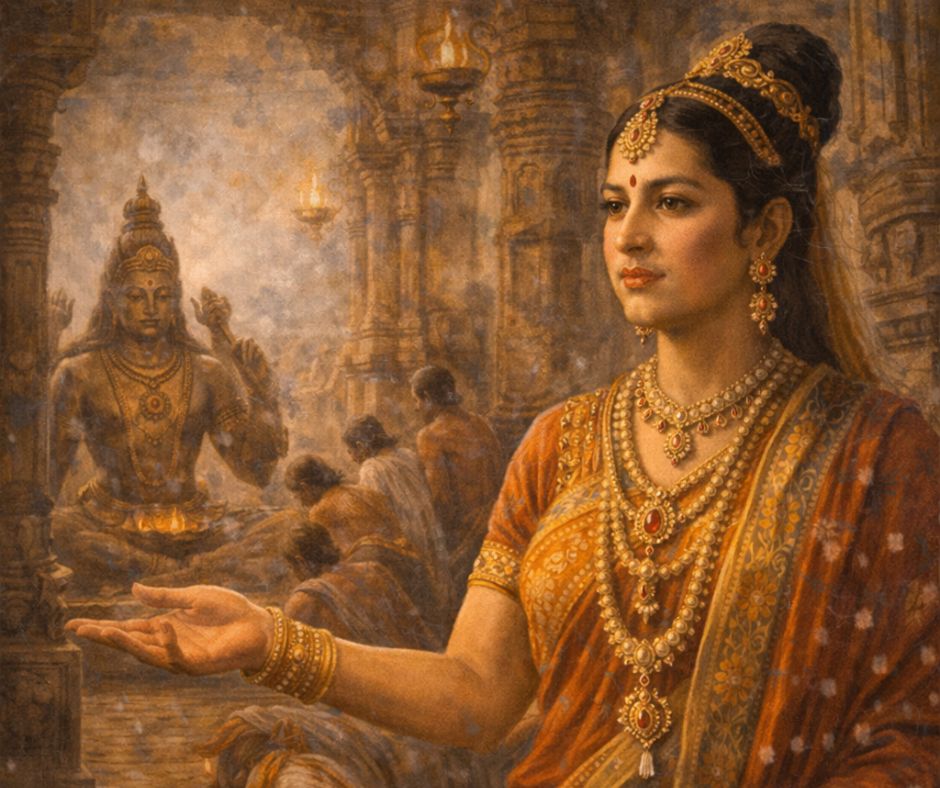
In the ancient city of Madurai, a temple bell rings across stone corridors and crowded courtyards. Before its final echo fades, a queen named Mangaiyarkarasi must choose where her loyalty truly lies. Faith, after all, often demands courage.
STORY 20: THE GROUND BEFORE THE NAME
Jamsetji Tata, Jamshedpur, circa 1903
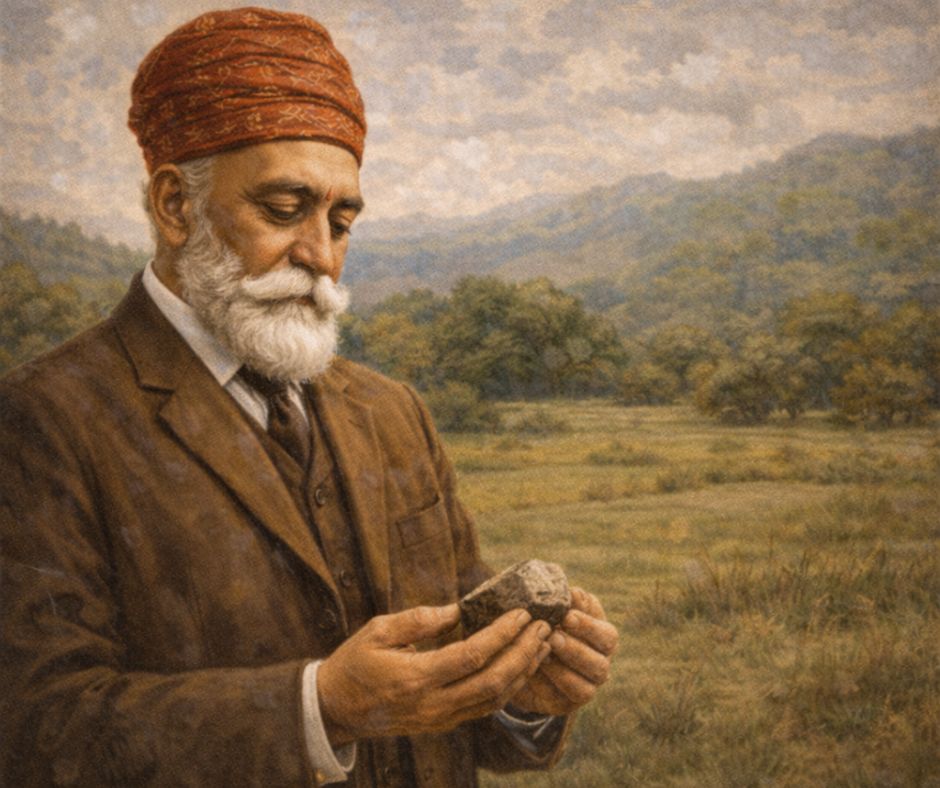
Before a city had a name, before factories rose and streets filled with life, there was only open ground and a vision. Jamsetji Tata stood in that empty landscape imagining the industry of a future India. Every great city begins with such a quiet moment of belief.
If you have found something here that stayed with you, some of my other books are now available in print and digital editions. They gather longer journeys, quieter questions, and stories that continue beyond this page.
 Weekend Stories by Trishikh
Very thoughtful and creative. History between the moments is often the most powerful. Those unseen hours truly shape history.
LikeLiked by 1 person
Thank you Willie, these in between moments have always intrigued me. These stories have become interesting in a very special way.
LikeLiked by 1 person
I agree…
LikeLiked by 1 person
It looks like a powerful book. Thanks for sharing the 20 intros. The Art work is beautiful.
LikeLiked by 1 person
Dear katelon, glad that you think the book is interesting. I am sure that you would love the stories if you get a chance to read them.
LikeLike
Fascinating stories, Trishikh!
LikeLiked by 1 person
Thank you so much. I always treasure the appreciation.
LikeLiked by 1 person
Fascinating
LikeLiked by 1 person
Thank you. Always a pleasure to receive your appreciation.
LikeLiked by 1 person
🙏
LikeLiked by 1 person
Interesting read.
LikeLiked by 1 person
Thank you Verma’ji. Sharing the news about this collection of 20 short stories is now complete. From tomorrow I will publish my next collection, something I am sure that you would equally like.
LikeLiked by 2 people
Nice 🙏👍
Aum Shanti
LikeLiked by 1 person
Thank you.
LikeLiked by 1 person
Wishing you all the best for your magnificent stories. Keep it up.
LikeLiked by 1 person
Dear Chitrangada, thank you so much. I always treasure your best wishes.
LikeLiked by 1 person