Twenty Short Stories of Famous Indians and Their Animal Connections
History remembers people. This book remembers who walked beside them.
My new book, Unknown Companions, my 4th published book, is a collection of twenty short stories about famous Indians and the animals who quietly shared their lives.
Not the speech. Not the applause. Not the legacy. But the dog waiting at the doorway. The bird in the garden. The stray who arrived at an unexpected hour.
These are the quieter moments that history rarely records, yet often reveal the most human truths.
Across cities, decades, and lives we think we already know, these stories turn toward the silent companions who stood beside greatness without ever asking to be remembered.
This is not a book of achievements. It is a book of companionship.
If you enjoy literary fiction inspired by the truth, stories rooted in India, and the extraordinary bond between humans and animals, I would be honoured if you read it.
STORY 1: BAGHA
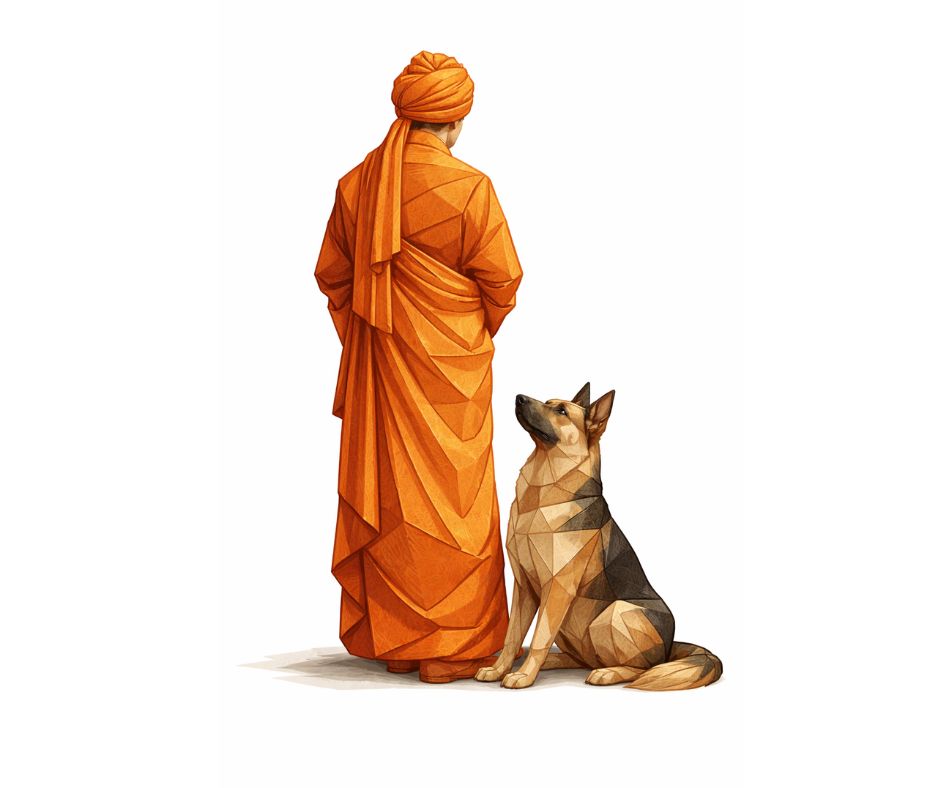
Bagha is a deeply evocative narrative that explores Swami Vivekananda’s profound bond with animals, seen through the unwavering devotion of his dog Bagha. Set against the sensory richness of Belur Math and the ever-breathing presence of the Ganga, the story weaves together memory, loss, companionship, and philosophy. Through moments of tenderness, impermanence, and quiet defiance, it reveals how love transcends species, how care becomes a form of spiritual practice, and how even a simple act like a dog crossing a river can echo truths older than scripture.
STORY 2: MISSILE MAN AND THE MUTT
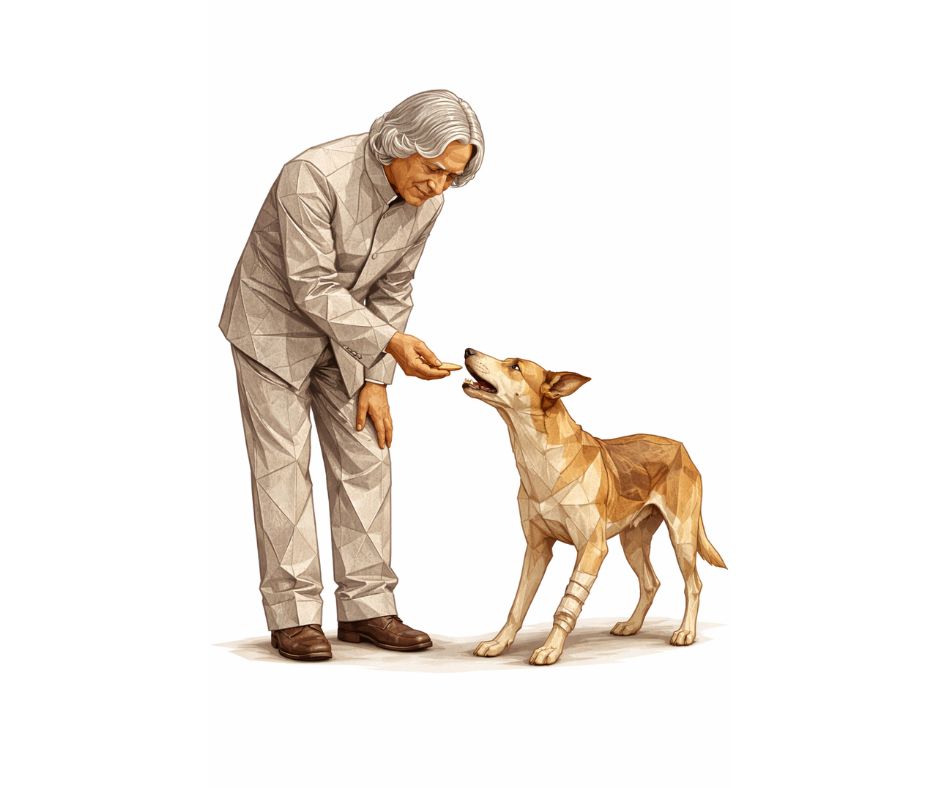
Missile Man and the Mutt is a quiet, deeply human portrait of A. P. J. Abdul Kalam beyond the arc of rockets and national acclaim. Set in the hushed evenings of a DRDO campus, the story traces an unspoken companionship between a visionary scientist and a limping stray dog, both veterans of unseen battles. Through shared biscuits, silences, and small acts of care, it reveals Kalam’s philosophy not through speeches but through instinctive kindness, where compassion becomes as deliberate as science. In the end, the story lingers as a gentle reminder that true greatness often resides not in what the world applauds, but in what it never notices.
STORY 3: THE FRAGILE ONE
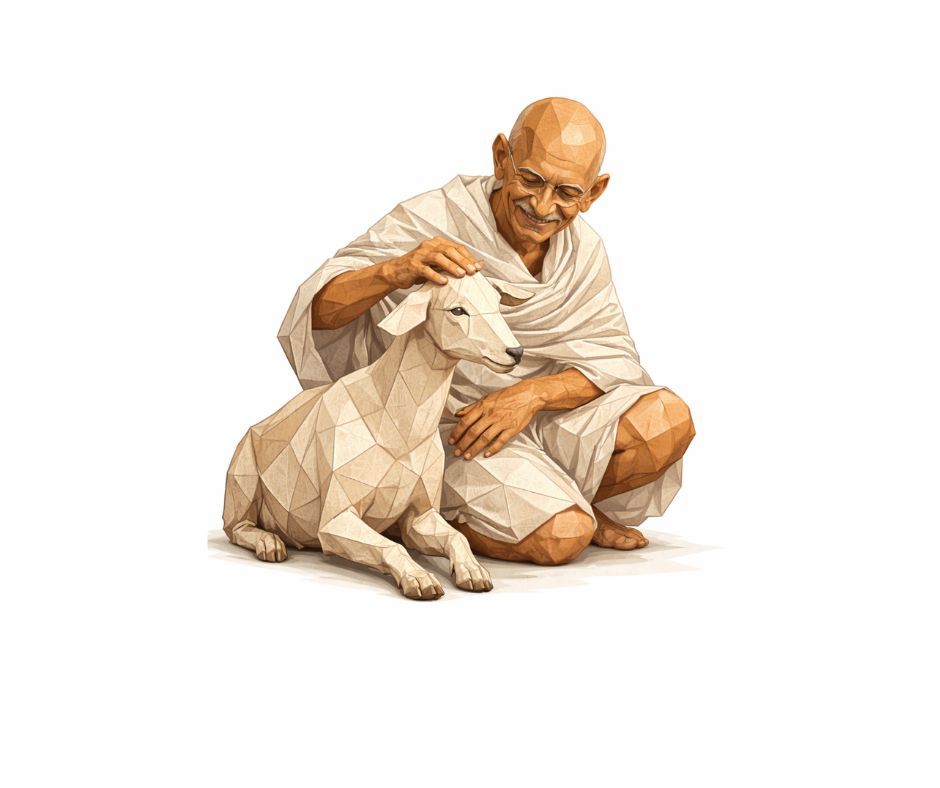
The Fragile One reimagines Mahatma Gandhi through the quiet, watchful eyes of a goat who believes she is his protector, not his dependent. Set against the sensory stillness of the Sabarmati Ashram, the story moves beyond history’s familiar frames to reveal an intimate, almost unseen companionship where strength is measured not in speeches or movements, but in breath, presence, and silent guardianship. Through Nirmala’s unwavering vigilance, the narrative gently reminds us that even those who carry the weight of nations remain, at their core, fragile beings in need of care, connection, and an unspoken kind of love.
STORY 4: THE BARD AND THE DEER
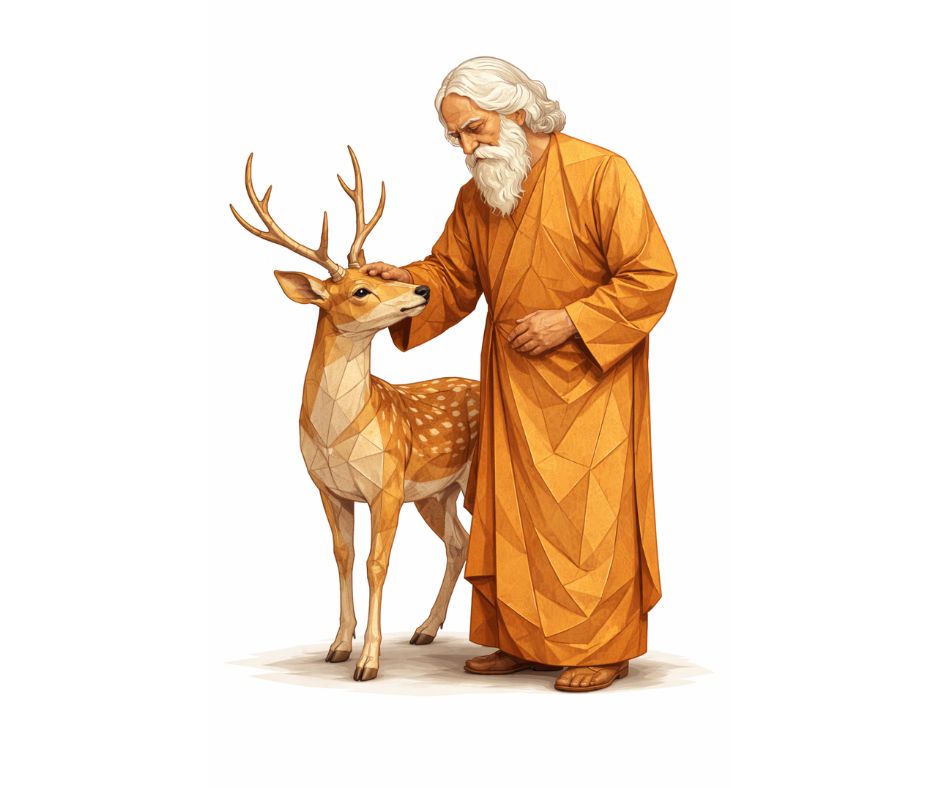
The Bard and the Deer is a lyrical journey into the early soul of Santiniketan, where Rabindranath Tagore reimagines education as a living dialogue between nature and the human spirit. Through his quiet companionship with a gentle deer that listens as he writes beneath open skies, the story explores Tagore’s vision of learning without walls, where freedom is breathed, not taught. Rooted in the red earth and rustling trees of Santiniketan, it becomes both a meditation on his philosophy behind Visva-Bharati University and a tender reflection on coexistence, where poetry is not just written, but lived.
STORY 5: THE CAPTAIN WHO COULD NOT COMMAND

The Captain Who Could Not Command is a quiet, reflective story that steps away from stadiums and scoreboards to reveal M. S. Dhoni in a deeply human light. Set in the stillness of his Ranchi home, it explores his bond with a Labrador named Zoya who refuses to play fetch, gently unsettling his instinct to lead and command. Through this simple defiance, the story unfolds into a meditation on patience, presence, and the humility of letting go, where the man known for finishing games learns, instead, the grace of not needing to chase at all.
STORY 6: PRIME MINISTER AND THE CUB
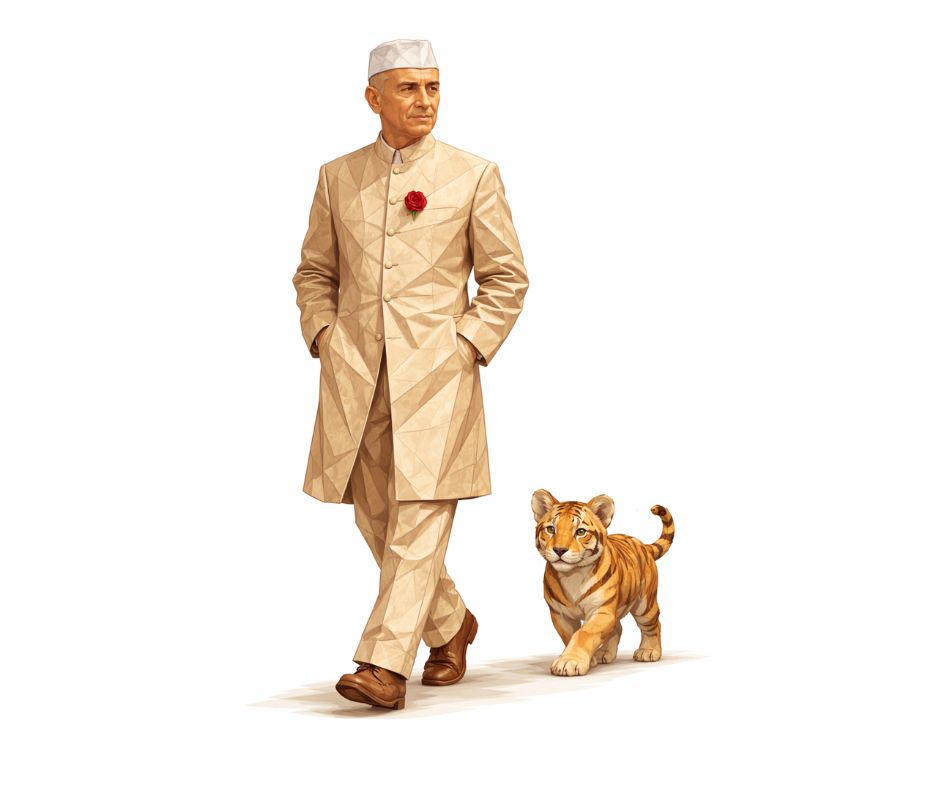
Prime Minister and the Cub is a quiet, introspective glimpse into a sleepless night in the life of Jawaharlal Nehru, where power walks alongside innocence in the corridors of Teen Murti Bhavan. Through his silent companionship with a restless tiger cub, the story gently unravels the paradox of freedom, how a nation newly unshackled must still build its own boundaries, and how even the noblest intentions can resemble cages. In that fragile space between authority and instinct, the narrative becomes less about history and more about the human condition, where letting go is perhaps the truest form of leadership.
STORY 7: MOONLIGHT IN KANHA
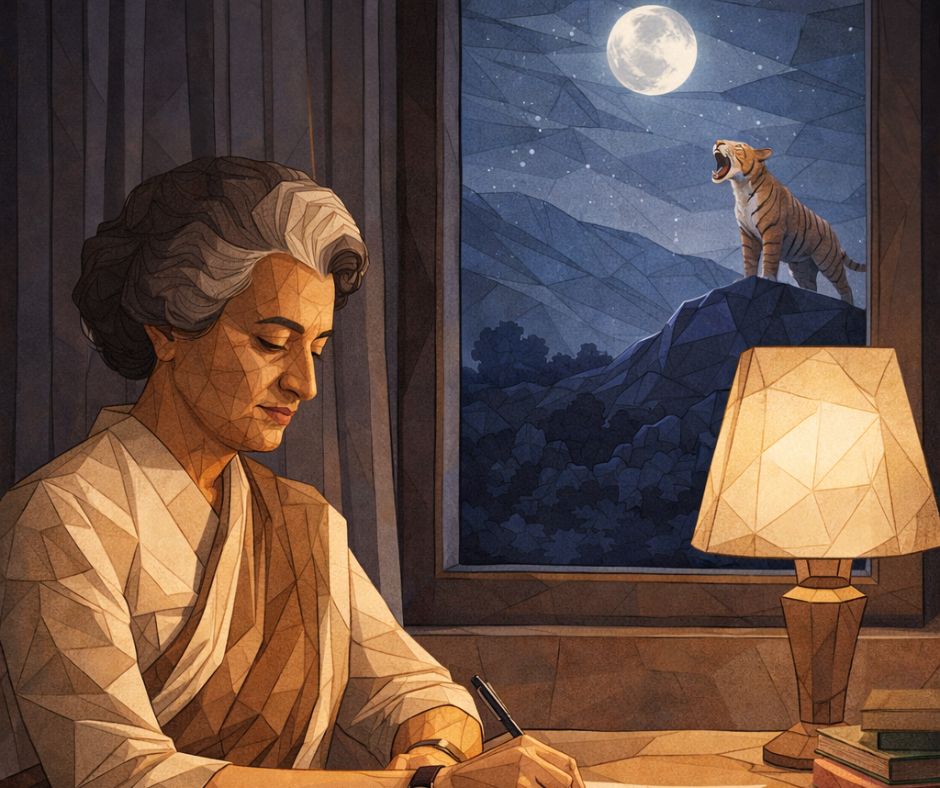
Moonlight in Kanha is a quiet, contemplative portrait of Indira Gandhi, set over a single night in a forest rest house where governance yields to listening. As a distant tiger’s call threads through the silence, it becomes more than a sound. It becomes a pulse, a reminder of a nation’s fragile wild heart. Moving between memory, policy, and solitude, the story explores her deep connection to nature and the conviction that conservation is not sentiment but responsibility, revealing how the fate of forests and the future of a country are inseparably entwined.
STORY 8: FRAME 23
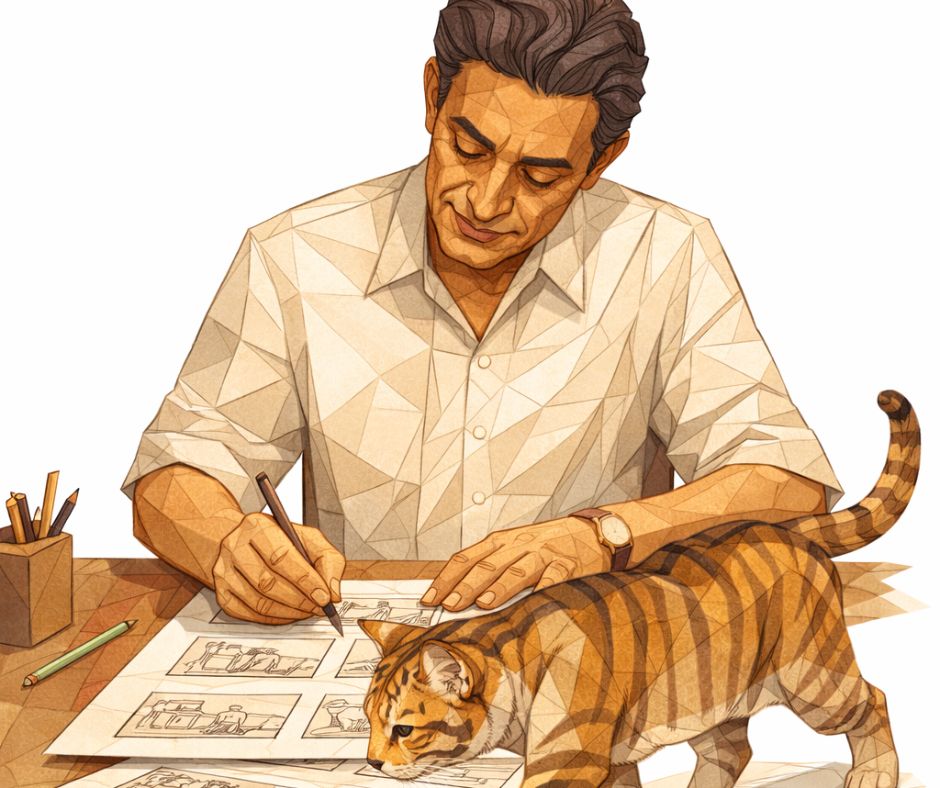
In Frame 23, Satyajit Ray finds himself stalled before a deceptively simple scene, where a man must choose between light and shadow. As the discipline of craft begins to tighten into control, a quiet, uninvited collaborator enters the room, a cat who walks across his carefully ordered storyboards and disrupts the illusion of certainty. In that small act of disorder, Ray rediscovers the truth he has always trusted: that life does not resolve itself neatly, and neither should cinema. The story becomes a meditation on hesitation, observation, and the humility of letting moments breathe, where meaning is not declared but gently allowed to emerge, much like a cat crossing a frame before the human decides to follow.
STORY 9: LATA’S LULLABIES
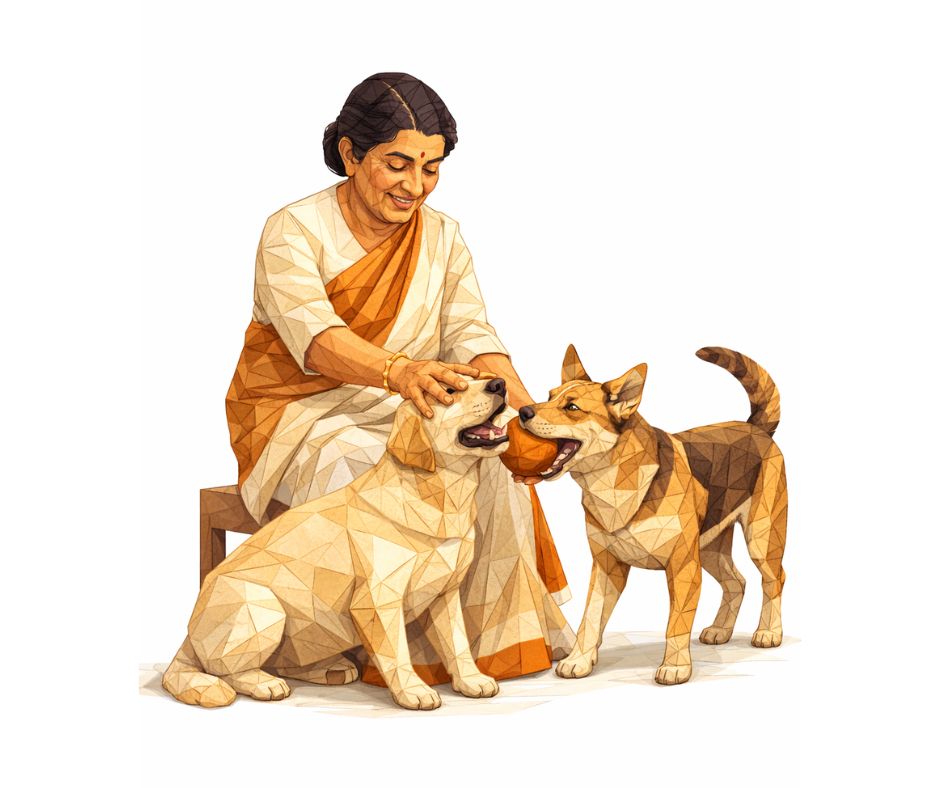
Lata’s Lullabies is a tender, intimate portrait of Lata Mangeshkar that steps away from her towering public legacy to reveal the quiet, deeply personal world she returned to each night. While her voice shaped the emotional landscape of a nation, the story gently uncovers how that same voice softened into private lullabies for her beloved dogs, who knew her not as a legend but as their own. Moving between studio brilliance and domestic stillness, the narrative explores grief, companionship, and the healing power of music, ultimately reminding us that even the greatest voices find their truest meaning in love that asks for nothing in return.
STORY 10: EQUATIONS IN A GARDEN
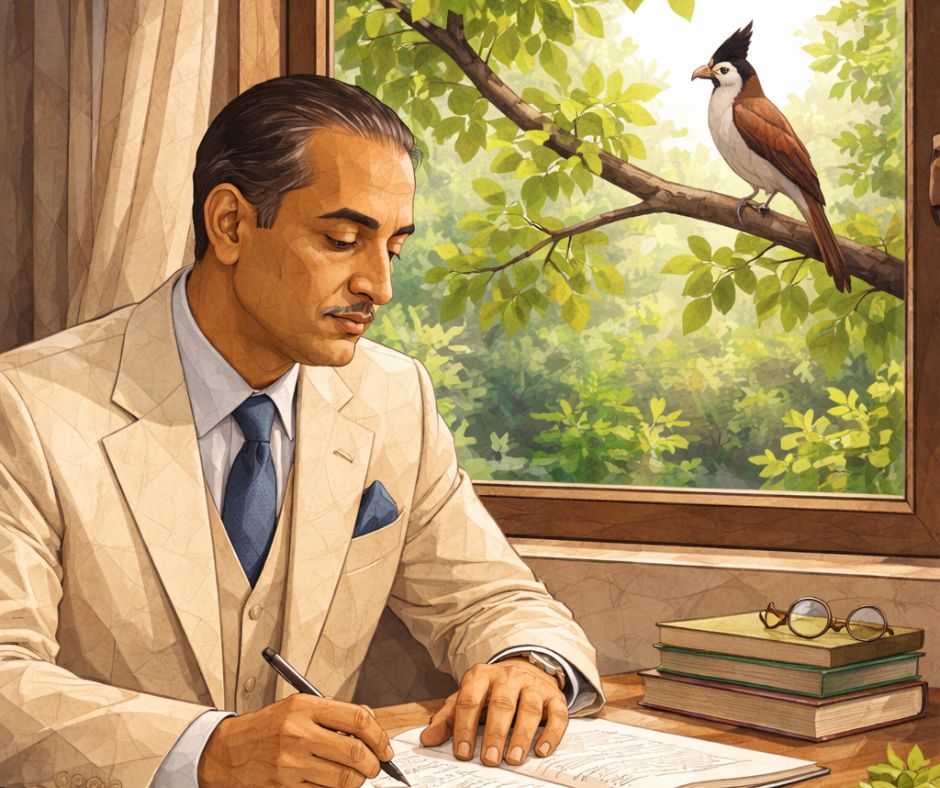
Equations in a Garden traces the quieter dimension of Homi J. Bhabha, where the architect of India’s atomic vision is revealed not in conference rooms or laboratories, but in the gentle pause of a morning birdcall. Set against the evolving landscape of post-independence Bombay and the rise of institutions like the Tata Institute of Fundamental Research, the story explores how scientific brilliance can coexist with a deep, almost meditative attentiveness to nature. In Bhabha’s gardens, where bulbuls, sunbirds, and koels weave sound into thought, equations do not merely emerge from intellect but are shaped by stillness, observation, and an enduring harmony between human ambition and the living world.
STORY 11: THE DRAFTSMAN AND HIS SLEEPING DOG
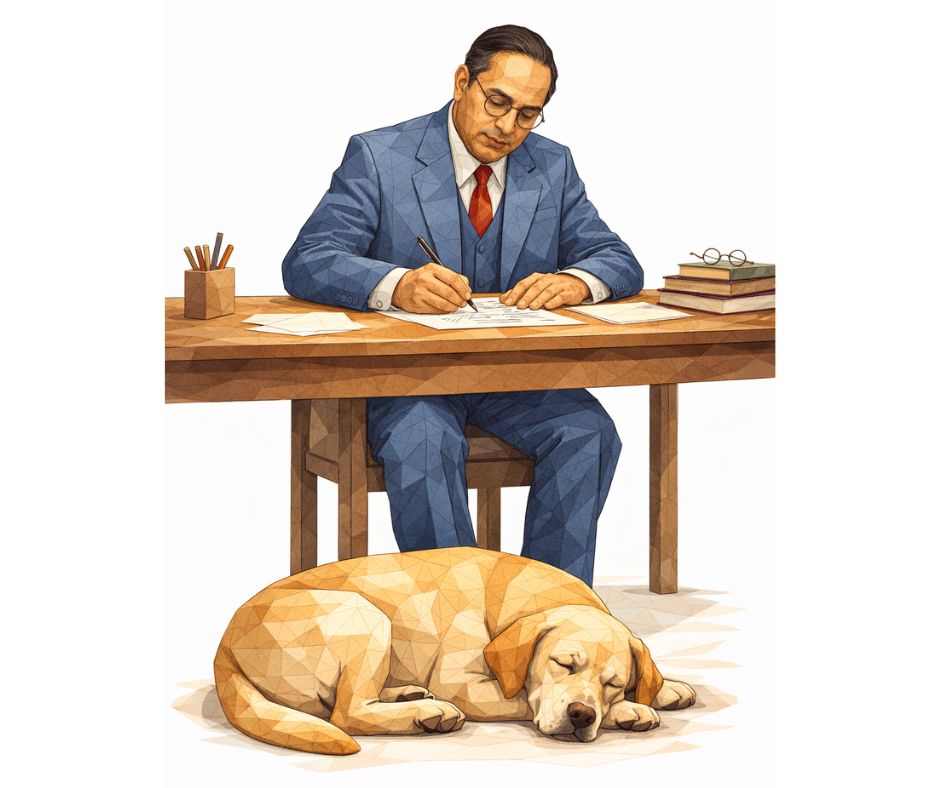
In The Draftsman and his Sleeping Dog, B. R. Ambedkar is seen not as a distant architect of law, but as a solitary figure shaping the soul of a nation through the long, unyielding hours of the night. As he drafts the Constitution with precision and purpose, a sleeping dog at his feet becomes a quiet counterpoint to the weight of history, embodying a form of equality untouched by human prejudice. In that shared silence, the story reveals a profound truth: that while laws may strive to enforce dignity, its purest form often exists in simple, unquestioning companionship.
STORY 12: PROFIT IN PAWPRINTS

Profit in Pawprints traces the quiet, humane philosophy of Ratan Tata through the living corridors of Bombay House, where stray dogs are not intruders but silent stakeholders. In a world governed by numbers and negotiations, the story reveals a different ledger, one where compassion interrupts board meetings and kindness becomes policy rather than performance. Through small, unrecorded gestures, it captures how true leadership reshapes spaces, softens power, and reminds us that the worth of an institution is often measured not in profit, but in the dignity it offers to the most voiceless.
STORY 13: FEATHER, FUR AND THE LITTLE MASTER
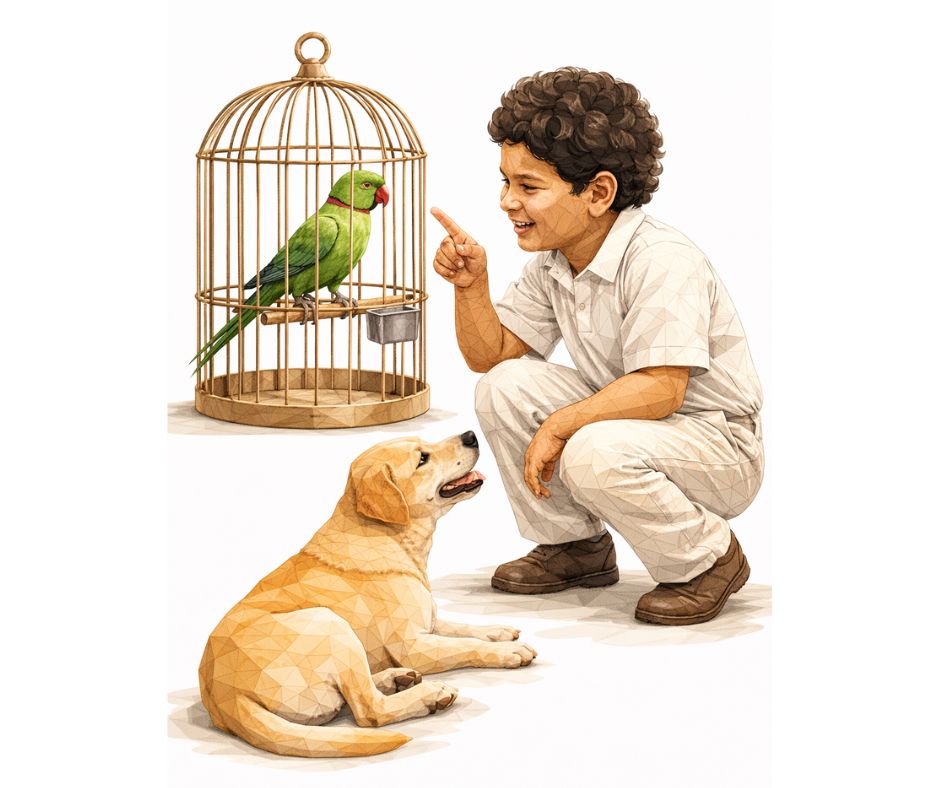
Feather, Fur and the Little Master traces the quiet beginnings of Sachin Tendulkar, where the rhythm of cricket first met the gentleness of care. Set in sun-drenched Mumbai afternoons, the story explores how a boy learned patience not just at the crease, but in feeding a hesitant parrot and finding comfort in a loyal dog. Through these small, intimate acts, it reveals that greatness is not forged only in stadiums, but in unnoticed moments of tenderness that shape character long before the world begins to watch.
STORY 14: A SIMPLE BOND IN MUSSOORIE

In A Simple Bond in Mussoorie, Ruskin Bond is reimagined through a quiet, intimate day where writing, memory, and companionship gently intertwine. A cat becomes his truest editor, walking across his manuscript and silently guiding him away from excess toward truth, while a trio of hill dogs anchor him to the simple, generous rhythms of life in the mountains. Set against the patient stillness of Mussoorie, the story reflects on solitude not as emptiness but as a space filled with small, faithful presences, where creativity is shaped as much by pawprints and pauses as by words themselves.
STORY 15: HOOVES AT DAWN
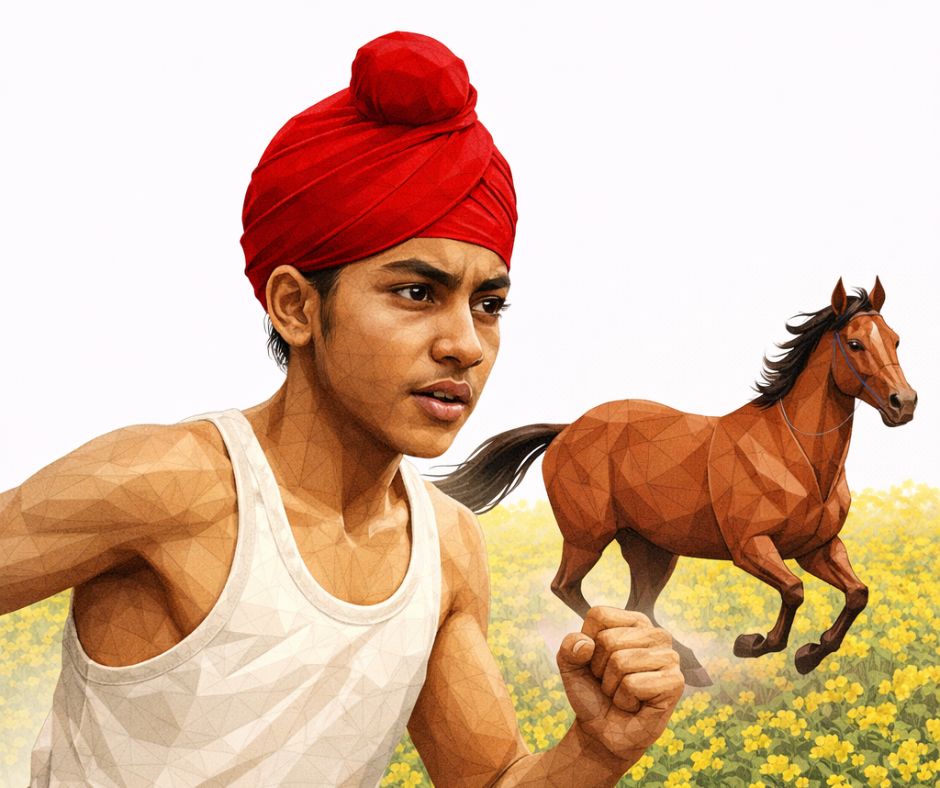
Hooves at Dawn traces the origin of Milkha Singh not in stadiums, but in the quiet fields of rural Punjab where a boy first measures himself against a horse at sunrise. What begins as a simple race becomes a lifelong metaphor for speed, survival, and freedom, carrying him through the violence of Partition, the discipline of the army, and the glory of international athletics. In this lyrical journey, the horse is not just an animal but a silent mentor, teaching him that true running is not about defeating others, but about outrunning fear, loss, and the limits one places upon oneself.
STORY 16: MOTHER AND BHOLA

Mother and Bhola is a quiet, deeply evocative story set against the indifferent rhythm of Kolkata, where a wounded stray dog finds an unexpected sanctuary outside a convent gate. Through the gentle, repetitive acts of care by Mother Teresa, the story explores compassion not as spectacle but as daily discipline. As Bhola slowly learns to trust, the narrative unfolds into a meditation on dignity, presence, and the unseen architecture of kindness that reshapes lives without ever seeking recognition.
STORY 17: WHEN THALAIVAA BOWED DOWN
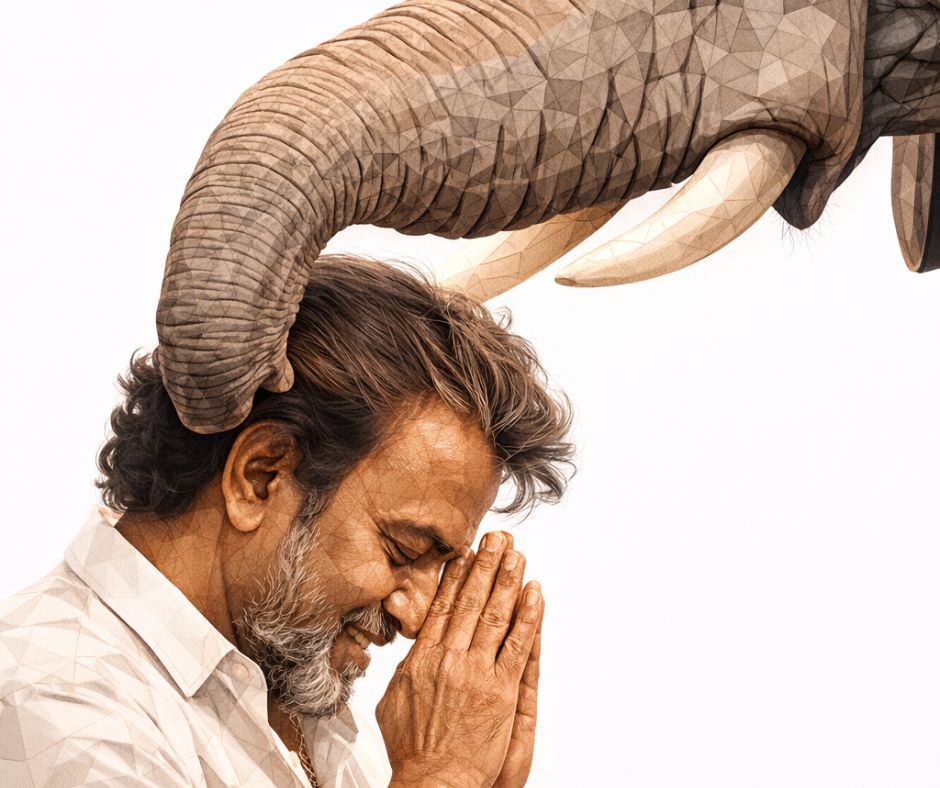
When Thalaivaa Bowed Down is a contemplative portrait of Rajinikanth that contrasts the thunderous devotion of stardom with the quiet humility of faith. Set in a temple courtyard, the story captures a moment where the megastar, stripped of persona, stands before a temple elephant that recognizes neither fame nor mythology, only stillness. Through rich imagery and restrained emotion, the narrative explores the idea that true reverence lies not in being worshipped, but in the ability to bow, to become small, and to rediscover oneself beyond the noise of adulation.
STORY 18: REPUBLIC OF QUIET EVENINGS
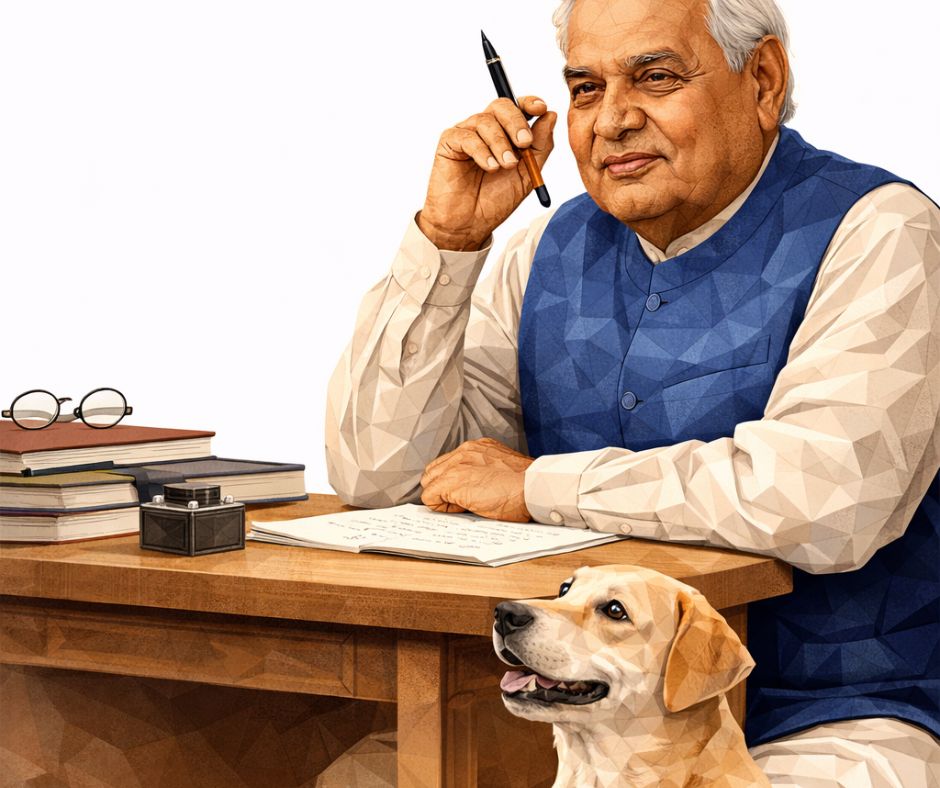
Republic of Quiet Evenings is a contemplative portrait of Atal Bihari Vajpayee that steps away from the thunder of politics into the hush of dusk, where a poet-prime minister sits with his thoughts and a quietly attentive dog at his feet. Through lyrical imagery and measured reflection, the story explores the unseen spaces of leadership, where decisions are not only shaped by strategy but softened by solitude, memory, and companionship. At its heart, it is a meditation on how the gentlest presences often safeguard the humanity of those who carry the heaviest responsibilities.
STORY 19: SPARROW AGAINST THE SEASON
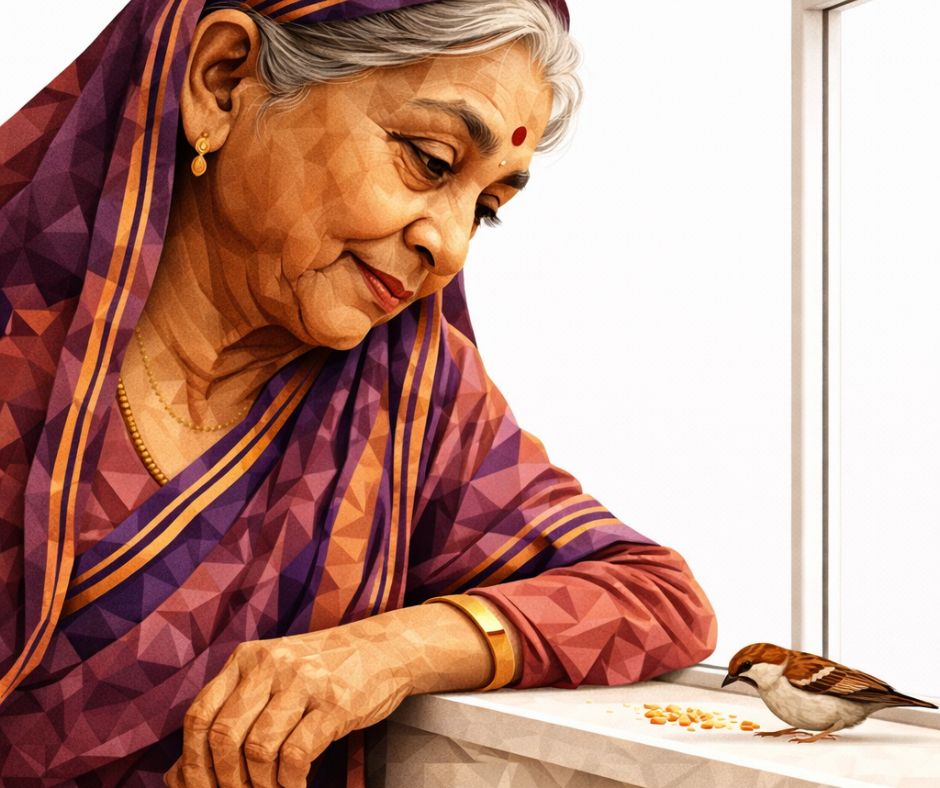
Sparrow Against the Season is a quiet, reflective portrait of Sarojini Naidu in the twilight of her life, where the echoes of applause give way to a more intimate listening. Through the presence of a lone sparrow that refuses to migrate, the story explores themes of stillness, identity, and the courage to remain when the world expects movement. In that shared pause between a poet and a bird, the narrative uncovers a gentler truth, that sometimes the deepest songs are not sung, but heard.
STORY 20: CITY MEASURED IN WINGS
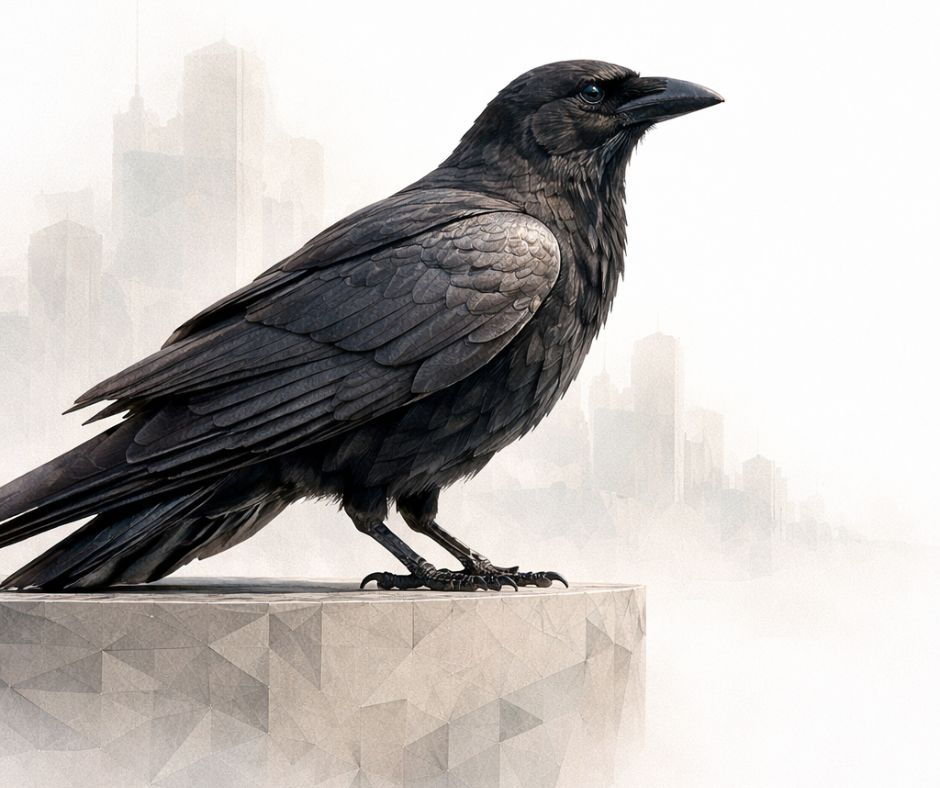
City Measured in Wings unfolds through the watchful eyes of a crow, tracing the evolution of Mumbai as a living negotiation between concrete and climate. From ledges and thermals, the bird observes the quiet genius of Charles Correa, whose buildings do not dominate the skyline but converse with light, air, and non-human life. As glass towers rise indifferent and sealed, Correa’s architecture remains porous, humane, and aware, offering shade as ethics and space as coexistence. It is a story not of a man alone, but of a city seen from wings, where survival, design, and the shared sky meet in fragile balance.
If you have found something here that stayed with you, some of my other books are now available in print and digital editions. They gather longer journeys, quieter questions, and stories that continue beyond this page.
 Weekend Stories by Trishikh