It all began with a shriek, a siren slicing through the silent night. The people poured into the streets, faces pale in the ghost-light of fires. The air smelt of cordite and singed wool. Mothers clutched children to their bosoms; men ran with buckets, their steps slipping in soot. Somewhere, church bells tolled once and fell silent, struck dumb by the thunder of explosions. The ground trembled as if the earth itself had begun to cough up its molten heart. Roofs caved in, and brick dust rained like red snow.
In a property, 25 newborns slumbered. Waiting to wake up to their first sunrise. And a bomb fell somewhere near the canal, the second, nearer still, and the third found its mark, tearing through the building. Flames rolled through like a hungry tide, and the newborns vanished in the inferno. Their bodies melted back into the earth. Ashes to ashes, dust to dust.
I do not remember much after that, but only the dawn’s grey-blue ash, the sudden cold of the open air and the faint reflection of firelight dancing across chrome. Fifty of us had come into this world together, and that night, 25 of us perished. Fate had intervened, and a day before, I, along with 24 of my other siblings, were taken to another building with large glass windows. And we survived the bombs. I did not yet know who I was, only that I had lived when half of my brothers and sisters had not.
It took me a while to realise who we were – creatures of steel and oil, glinting chrome gleaming under the dim lamps of the factory we were born, under the gaze of three brilliant, quarrelsome brothers – Frederick, Frank, and George Lanchester, so daring that the industry called them the Unholy Trinity. We were the brothers’ latest creation, meant to be the answer to Coventry’s call for grace after war, a car of balance, civility, and quiet strength – the Lanchester LD10.
The night of November 14, 1940, remains etched in my memory in steel and smoke. Coventry trembled as nearly five hundred German bombers poured hell from the skies – a rain of fire that turned the proud industrial heart of Britain into a molten graveyard. The Lanchester factory, once a cathedral of innovation, stood squarely in their crosshairs. Within hours, the air was thick with the smell of burning rubber, singed oil, and the metallic tang of despair. Almost five hundred tons of high explosives and thirty thousand incendiary bombs had cascaded upon the city, birthing a firestorm that swallowed a third of its factories. Men screamed, girders twisted like tormented souls, and the hum of creation was replaced by the wail of ruin. Amid the rubble and ash, I had survived to whisper my tale of fire and resurrection.
Months later, when the soot had settled and the war’s thunder had faded into the cautious rhythm of postwar England, I was driven to a port. I wore a temporary registration from Wales, proud red letters on a cream plate, and my tyres still smelt of new rubber.
I remember the ship’s belly swallowing me whole, the echo of chains, the salt spray against my grille. The world outside turned from grey to blue to gold. Somewhere between Gibraltar and Aden, the salt began to crust on my mirrors, and I learned the smell of the sea, a scent I would carry forever. When the hold opened again, I met my first true sunrise, and it was not English. It was Bengali in the ‘Second City of the British Empire’ – the burgh of Calcutta.
A metropolis of unending noise and perfume, jasmine and kerosene, river silt and sweat, fried luchis and wet tram-tracks. I had never seen so many souls in one breath. The year was 1946. I had been brought here for an officer of the Commonwealth, whose post demanded a certain stateliness. And I, with my walnut dashboard and smooth pre-selector gearbox, was just that.
For a while, I glided along Chowringhee and Russell Street, my polished bonnet reflecting a city still shaking off the empire’s dust. While my horn was not so polite, my engine gently purred 40 BHP of quiet confidence. But history is impatient with beauty. In 1950, the Commonwealth Office closed. The officer returned to England, and I was left behind. A forgotten foreigner on Indian soil.
The British government, after much deliberation, finally agreed to auction me. Only one man turned up, Murari Laha of the Thanthania Rajbari, a young Bengali from a legacy of old money with a stubborn glint in his eyes. Apart from carrying a deep affection for cool cars and a flashy life, that day he also carried rupees 35,000 in his pocket. He bid once, no one challenged, the gavel fell like a benediction, and I found my second home.
For a while, life with master Murari was a melody. Sundays to Dakshineswar, evenings down to the Strand, his wife’s bangles clinking against my window frame, children’s laughter filling my seats. But time is a slow rust. The city’s roads grew rough, and my steering wheel stiffened. New cars, bulbous Ambassadors and tinny Fiats gradually took over the streets.
By the 1970s, I was parked under a banyan tree beside Laha’s ancestral house. Birds nested under my wipers. My once-proud badge dulled beneath moss. Rain came, monsoon after monsoon. The air smelt of damp leather and decay. Rats chewed through my wiring; spiders spun their silken patience across my dashboard. The world moved on, and I stood still.
Years passed, and master Murari’s descendants tried to bring me back to life. But the city had changed, and so had its mechanics. I was taken from one garage to another – each promising miracles, each returning me a little emptier. A headlamp gone here, a carburettor missing there. My ignition key disappeared once; another time, my radiator cap found its way to another man’s shelf. I became a puzzle with too many missing pieces, a relic everyone admired but no one truly restored. At last, weary and wounded, I was brought back to the Laha house, where I sank once more beneath the banyan’s shadow, waiting for a truer pair of hands.
Decades later, I do not know the year, for time had ceased to exist inside the dust that had cocooned my existence, I heard the echoes of footsteps near me once again. Someone brushed away the cobwebs and ran a hand along my flank. “Finally, the Lanchester LD10… 1946… Coventry build…” The voice trembled with reverence. It was Amitava Saha, a man with oil under his nails and a deep reverence for automobile history and heritage in his heart. He saw not a carcass, but a promise. To him, I was not scrap; I was legacy. And from that moment, my resurrection began.
Amitave hunted for my spare parts across continents. Gaskets and bearings arrived from England, like letters from long-lost cousins. My engine block was lifted, polished, and coaxed back to life. He meticulously overhauled my frame, restored the Daimler-patented suspension, reassembled the Wilson EN75 gearbox, and converted the brakes back to the original Girling Mechanical version. The smell of paint filled my lungs, a deep Oxford-blue gloss, shining like midnight silk. And when, for the first time, Amitava turned my key, I coughed, choked, then roared, a sound that startled even the sparrows in the rafters. I was alive again.
How do I describe the first drive after resurrection? The city opened before me like an old gramophone tune through a wormhole in time to a future I had not grown up to: the tram’s bells still tingled through the fog, the scent of roasting peanuts still filled Park Street, though the sharp tang of coal smoke from the river’s edge was no longer there. Though the city still carried remnants of the past, of the time when I had first arrived, it had changed much. It stood like an old guard in a new uniform. I saw Howrah Bridge once again, older, rusted, but still magnificent. I saw that many of the bulbous Ambassadors had evolved into yellow taxis scurrying like bees. I saw that the mass of the city’s men had shed their dhotis for pants, still sipping tea by roadside stalls, and children still chasing kites through Maidan’s morning mist. Every rattle, every hiss of my engine was not only a revelation of lapsed time and space but also a prayer to distant memory from a long-lost past.
I began appearing in vintage car rallies, proud among peers who had also been rescued from time’s oblivion. Rolls, Austins, Bentleys, Wolseleys, all lined up at dawn outside the Statesman House. When my turn came, Amitava guided me forward, one gloved hand steady on the steering wheel. Applause rippled through the crowd. Someone whispered, “That’s a 1946 Lanchester LD10 — Coventry’s answer to post-war grace.” The old ones nodded. The young stared wide-eyed. And I, once a ghost of steel, felt the warmth of belonging again.
Sometimes, at night, when the garage light flickers and the city hum fades into a distant lullaby, I dream of my makers – the Lanchester brothers. Frederick with his unyielding logic, Frank with his sketches, and George with his quiet genius. They fought the industry, challenged Royce himself, and yet built cars that glided smoother than whispers. The motoring world called them The Unholy Trinity, part insult, and part awe. I am their echo. Their fingerprints are on my crankshaft, their stubbornness in my engine’s hum. Through Amitava’s hands, they breathe again. Every rally I attend, every road I conquer, I feel them – three ghosts from Coventry riding with me through Calcutta’s dawn.
Restoration, however, is never a single act. It is a covenant, to keep breathing through decades of neglect, to endure when parts fail and oil leaks. Amitava still tends to me like a gardener to an old tree. He wipes me down after each drive, checks the pre-selector gearbox, and listens to the hum of my differential.
There are nights he talks to me. Tells me about his dreams, about how cars are not machines but memories that move. I listen, my headlights reflecting his tired but contented face. He once said softly, “You’re not just a car. You’re a story that refused to die.” And in that moment, I understood: I had outlived wars, oceans, owners, and neglect. I had outlived my own obsolescence.
I have come far from the night Coventry burned on the 14th of November in 1940 to the same day and month, 85 years later in 2025. Now, as I glide through Kolkata’s streets, where the smell of burning coal has been replaced by that of petrol and diesel fumes, I sometimes imagine the spirits of my 25 fallen siblings watching from the clouds, proud, perhaps even a little envious. Children wave at me. Strangers smile. And I respond in the only language I know, the soft murmur of my engine, the rhythmic dance of my pistons, and the occasional honk of my vintage horn.
I am not the newest, nor the fastest. But I am the last of my kind; the survivor who crossed fire and ocean to find a home in a city that understands nostalgia better than most. Amitava parks me each night beneath a brass lamp. As the flame flickers, I see reflections of all who touched my life – the Unholy Trinity, the Commonwealth officer, Murari Laha, the rally crowds, and finally Amitava himself. I rest, content.
Tomorrow, the city will wake again, trams will clang, hawkers will shout, rain will fall, and I will once more perhaps roll out into the living past. Because to be restored is not just to exist. It is to be remembered. And I, the last child of Coventry’s Unholy Trinity, make new memories of the present and remember everything from the past.
Copyright © 2025 TRISHIKH DASGUPTA
This work of fictionised history, written by Trishikh Dasgupta is the author’s sole intellectual property. It is based on real events surrounding the restoration of Amitava Saha’s 1946 Lanchester LD10 Phase 1 in Kolkata. Some characters, incidents, places, and facts may be real while some fictitious. All rights are reserved. No part of this story may be reproduced, distributed, or transmitted in any form or by any means, including printing, photocopying, recording, or other electronic or mechanical methods, without the prior written permission of the author, except in the case of brief quotations embodied in critical reviews and certain other noncommercial uses permitted by copyright law. For permission requests, send an email to the author at trishikh@gmail.com or get in touch with Trishikh on the CONTACT page of this website.
ABOUT THE AUTHOR
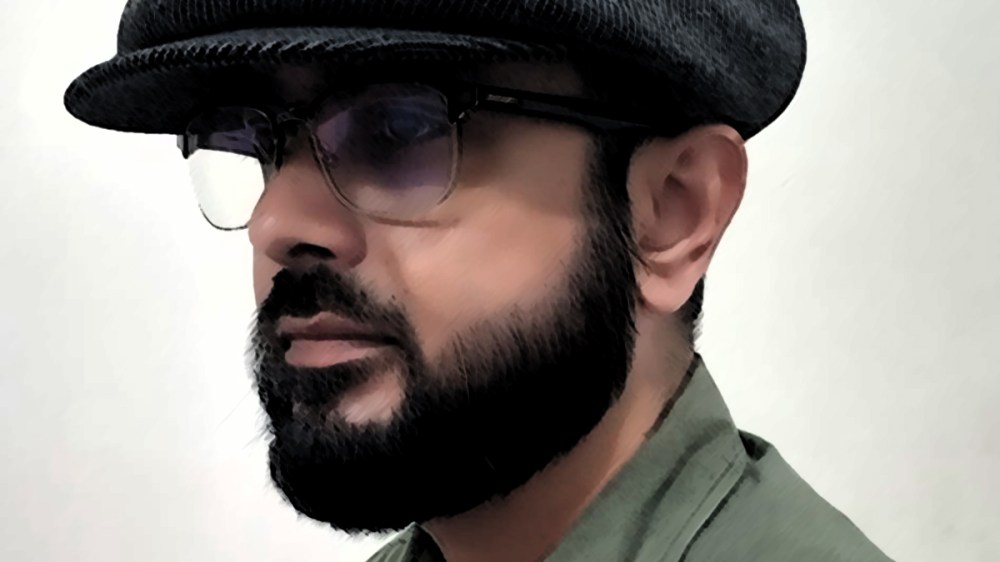
Trishikh Dasgupta
Adventurer, philosopher, writer, painter, photographer, craftsman, innovator, or just a momentary speck in the universe flickering to leave behind a footprint on the sands of time... READ MORE
These stories are Free and if you have found something here that stayed with you, some of my other books are now available in print and digital editions. They gather longer journeys, quieter questions, and stories that continue beyond this page.
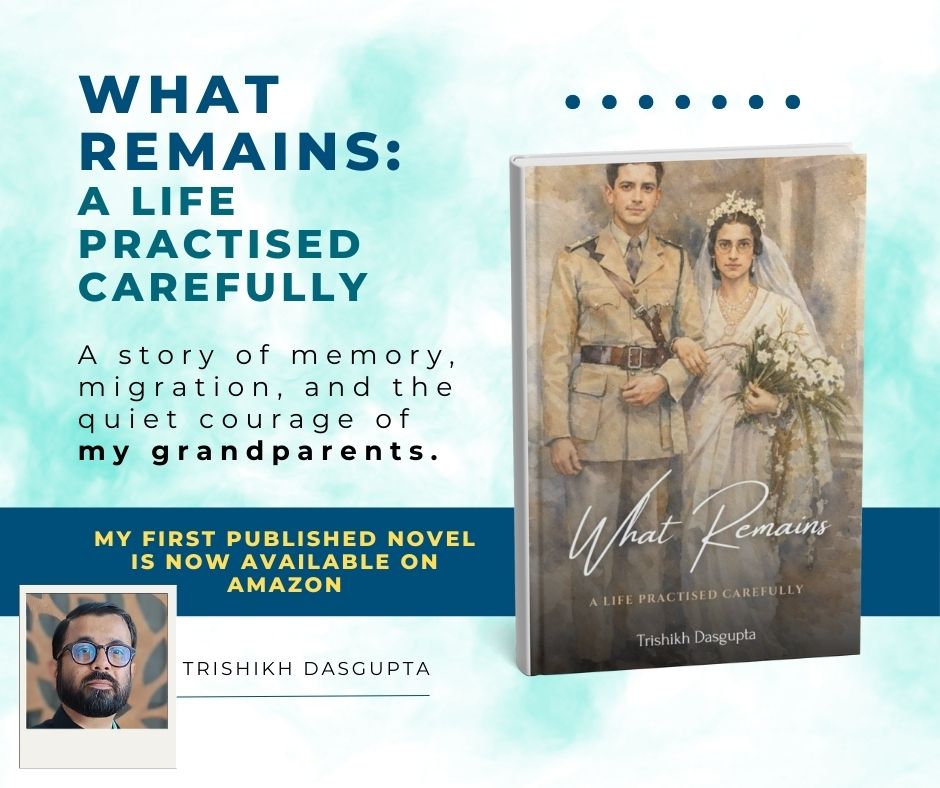
You may also like to read my1st Published novel now available on Kindle and Paperback versions.
 Weekend Stories by Trishikh
Fun story and twist to make the car as narrator.
LikeLiked by 3 people
Thank you so much for liking the story. Yes, I think the twist of the narrator is the first of its kind that I have ever used in my short stories.
LikeLiked by 1 person
Ohhhh will save this for later
LikeLiked by 2 people
Certainly, I am sure that you would enjoy it.
LikeLiked by 1 person
What a masterfully written and immersive tale! The way you blend history, imagination, and the voice of the Lanchester LD10 creates a living, breathing narrative. From the horrors of Coventry’s bombing to the car’s resurrection in Kolkata, every moment is vivid, emotional, and cinematic. The story captures not just restoration of a machine, but the preservation of memory, legacy, and human connection. Truly a beautiful tribute to history, craftsmanship, and the enduring spirit of those who create and care.
LikeLiked by 3 people
Dear Verma’ji, you are so right, I too now realise that the story is much more than restoration of a legendary vehicle but the “preservation of memory, legacy, and human connection.” I strongly feel that like this car, many other antique objects hold so many stories, only waiting to be told by someone willing to listen to them.
LikeLiked by 2 people
Absolutely! You’ve expressed it beautifully. I completely agree—every antique, every relic carries a story, a piece of history, and a connection to the past. It’s fascinating how objects, like that legendary car, can become vessels of memory and human experience, waiting for someone to honor and share their tales.
LikeLiked by 3 people
Great story. I believe in the spirit of so called inanimate objects, so I enjoy stories written from their viewpoint.
LikeLiked by 4 people
Dear Katelon, I too believe in that. Everything that existed, continues to exist, transforming into something different, breaking down and reforming. Parts of it always remain in the universe, and their stories travel with them, only waiting to be discovered and shared.
LikeLiked by 1 person
Thank you Ned for promoting my story on your website.
LikeLike
i especially love this story! all objects are alive to me also, & making the car the narrator of the story is just perfect! a great touch, memorable! this story was a special delight to read!👍🏼❤️ thank you!🙏🏼
LikeLiked by 2 people
That is so rewarding to hear. It really makes my day to receive such an appreciation. Everything has life. Am also so glad that you liked the autobiography style of this story.
LikeLiked by 2 people
🙏
Aum Shanti
LikeLiked by 1 person
May the peace of the universe fill your being too.
LikeLiked by 1 person
I am lost for words, Trishikh, to express my admiration for the story you have presented today. It isn’t often that reading brings tears to my eyes, but giving a voice to a special car and his life story is written so uniquely beautifully that it truly moved me. I looked up the history of the genus engineer, Frederick Lanchester, and saw the photo of the visionary restorer, Amitava, beside his pride and joy, and I know without any doubt that you are destined to be remembered as one of the greatest writers not only in India but worldwide. Thank you, Trishikh, for the unforgettable experience.
Joanna
LikeLiked by 1 person
Dear Joanna, Amitava also happens to be my childhood school friend. We studied in the same school from kindergarten to standard 12, a solid 13 years. After school we had very little chances to meet or speak. However I keep a track of his restoration passion and had always wanted to write this story. So glad that I could finally write it and pay my respect for his passion for vintage car restoration in Kolkata.
LikeLike
Thank you, Trishikh, for the additional and beautiful reply! As always, you are more than welcome!
Joanna
LikeLiked by 1 person
Dear Joanna, it’s my pleasure. Wishing you a great weekend.
LikeLiked by 1 person
Thank you, Trishikh, and likewise!
Joanna
LikeLiked by 1 person
Thank you for another interesting tale.. I look after my current Subaru really well and drove my last Subaru for five hundred thousand km before it died so I look after my cars.. thank you ❤️
LikeLiked by 2 people
Dear Fiona, that is so good to hear. I too love my cars and bikes. But unfortunately I had to let go of some very favourite vehicles of my mine. My present car is 12 years old and I plan to keep it with me for as long as possible.
LikeLiked by 1 person
A very clever story – the first I have read where the car is the narrator. I love the weaving in of the history of the time. I felt so sad when the car was falling into disrepair, and so happy with its resurrection.
LikeLiked by 3 people
Thank you so much. So happy that you liked the story, especially the LD10 as the narrator.
LikeLike
this was an exciting story friend, loved the imagery, well done..
LikeLiked by 1 person
Thank you so much William, so glad that you liked the imagery.
LikeLiked by 1 person
That was beautiful.
LikeLiked by 1 person
Thank you, so happy that you liked it so much.
LikeLike
A brilliant restoration, beautifully told
LikeLiked by 1 person
Thank you so much. All the credit goes to my friend Amitava Saha. I am glad that I was able to share his story.
LikeLiked by 1 person
¡Me encantó! Saludos.
LikeLiked by 1 person
Thank you so much.
LikeLike
Thank for that beautiful story, we are given the experience of thoughtfulness and sensitivity,
reminding us of what makes us human, our nostalgic veneration; our ability to imbue what ones was purely created for pragmatic purposes with a soul.
LikeLiked by 2 people
Thank you so much for these generous words. If my story stirred a little nostalgia and breathed a touch of soul into steel and memory, then it has achieved something I must say. Your reflection adds a quiet glow to the journey. I truly appreciate your reflection.
LikeLiked by 1 person
What an amazing metaphor!
LikeLiked by 1 person
Thank you so much for appreciating. It really makes my day when someone likes one of my stories, and shares a heartfelt comment.
LikeLiked by 1 person
Wonderful. You brought alive not only the car but the city and the past.
LikeLiked by 1 person
Thank you so much. So glad that you liked the story.
LikeLiked by 1 person
🔥💔 **What a haunting and powerful narrative!** The imagery is intense, and the emotions—fear, loss, and survival—come through so vividly. 🌑🕯️ The story of living while half of your siblings perished is both tragic and deeply moving, leaving a lasting impression about fate, resilience, and the fragility of life. 🌿✨ Trishikh Dasgupta’s writing truly captures the rawness of human experience. 📖💛
LikeLiked by 1 person
Thank you so much for this beautiful comment on my story. I really treasure your thoughtful words of appreciation. So glad that you liked the imagery and the human emotions conveyed through the story.
LikeLike
I love the way you write. The imagery is beautiful
LikeLiked by 1 person
Thank you so much. It really makes my day when someone enjoys one of my stories.
LikeLiked by 1 person
Haha we love it, brilliant mind!
LikeLiked by 1 person
Thank you so much. Always treasure the happiness I am able to share with you and your daughters.
LikeLike
Your storytelling feels like a gentle hand guiding us through corridors of memory, where steel becomes spirit and history becomes breath. The way you allow the Lanchester to speak—softly, with dignity and wounded pride—turns machinery into a witness of time. Thank you for crafting a narrative that doesn’t just describe a journey, but lets us feel the quiet beating heart beneath chrome and dust.
What struck me just as deeply is an echo beneath the surface: the idea that restoration is not only about reviving the past, but about restoring continuity in a world that constantly forgets. Your story hints at this, but there’s also a quiet truth—sometimes an object survives not merely because someone repairs it, but because it remembers us. And in recognizing that memory, we heal parts of ourselves we didn’t realise were scattered across time. Your tale brings that subtle connection into warm, human light.
LikeLiked by 2 people
Dear Livora, as always reading your heartfelt comment brings tears of joy to my eyes. Your deep and unique reflection gives this simple autobiography of a machine so much more meaning.
I really like it when you say “restoration is not only about reviving the past, but about restoring continuity in a world that constantly forgets.”
Keep enjoying my stories, I will continue writing them as long as God wills and I can.
LikeLiked by 2 people
Your message touches me more than you know. It’s beautiful to see how your story carries both tenderness and depth, and I’m grateful if my reflection helped highlight the heart already present in your words.
That line flowed from the truth your story stirred within me. I’m glad it resonated with you, because its meaning was shaped by the way you portrayed remembrance and renewal.
I will gladly continue reading your work. Your stories carry a quiet sincerity, and I’m thankful for every moment you choose to share them with the world.
LikeLiked by 2 people
A beautifully written, deeply atmospheric story. The Lanchester’s voice is powerful and emotional — turning a car into a witness of war, loss, and rebirth. Vivid, poetic, and unforgettable.
LikeLiked by 2 people
Thank you so much for your beautiful words of appreciation. It really makes writing these stories worthwhile, when someone appreciates my stories to such levels.
LikeLiked by 1 person
I have not seen such anthropomorphic attributes given to an automobile since Lightning McQueen.
🚘👍
LikeLiked by 2 people
Wow, that is such a wild compliment, I am elated. Thank you so much. So happy that you liked the story so much.
LikeLiked by 2 people
This is such a beautiful story and so well written. I see himself in Lancaster’s story. Going through trauma, moving to a different location hoping for a new beginning only it is short-lived. The feeling of abandonment, hoping for someone to notice what you have to offer. Stumbling though life struggling to keep up appearances until to be discarded and forgotten once again. At last, someone who understands your worth shows up, appreciates you for what you are, past, present and future. Isn’t that basically what we all want? To live a life with someone who appreciates us, the feeling of being wanted and to be surrounded with people who sees your worth?
LikeLiked by 2 people
You have so beautifully summarised the stages in the story, relating it to the lives of so many in this world. Sometimes when I write a story, I myself do not realise the depth my words bring to the story. Thank you so much for sharing this beautiful thought. Now it will linger with me, whenever I think of this story.
LikeLiked by 1 person
That was a clever approach to the story. I was fearing for human babies to start with. My 92 year old friend and neighbour remembers Coventry burning, that is where she comes from. We once visited the beautiful new Coventry Cathedral built next to the iconic ruins of the old cathedral. We also enjoyed the motor museum in the city, old cars have such character.
LikeLiked by 3 people
Yes, I purposely built that suspense in the first paragraph of the 25 seeming like human babies. The bombing of coventry was really horrific as per the movies and the stories and history, but to witness it and survive – I can’t even imagine the horror. Hats off to those who rebuilt coventry from the ashes. We the next generations and the future generations have the responsibility of remembering these stories.
LikeLiked by 1 person
📝 A strikingly crafted piece – atmospheric, emotional, and rich in detail. The author’s style blends history, nostalgia, and aesthetics in a compelling way. The narrative keeps the reader engaged throughout, and the portrayal of the car as a living witness to time is especially memorable. Elegant, smooth, and enjoyable to read. 🚗✨
LikeLiked by 2 people
Your beautiful comment really touched my heart. I must sincerely thank you for that. I am so glad that you liked the atmosphere that I created in the story, the history, nostalgia, and aesthetics. Appreciation such as yours, makes writing such short stories so rewarding.
LikeLiked by 2 people
This is the first of your writings that I have been able to enjoy! You write so well. Keep it up, and I will keep reading and reflecting on your thoughts!
LikeLiked by 2 people
Thank you so much. I am really happy that you liked my short story. I write and publish a story every Friday. There are many more stories here that you would enjoy. Do visit and read some whenever you feel like, I am sure that they would bring a smile.
LikeLiked by 2 people
An exceptional story! I like vintage cars so it was delightful to hear him tell his historical tale. 🙂
LikeLiked by 2 people
Thank you so much. I just love vintage cars too. So glad that you like the story. Always a pleasure to receive your appreciation.
LikeLiked by 1 person
What a story!! I was really shocked when the bombardment described in the beginning you wrote wiped out 25 babies…I thought they were little humans. I could not but appreciate the coldblooded account of lives vanishing in a spate of utter destruction. It was atmospheric. But then when I realised what you were talking about I again lauded the metaphoric comparative. For lovers of cars they are just babies. I know because I take pride in the maintenance of my car though I don’t drive myself. Yes, you are right nobody can cherish and nurtur nostalgia other than the Bengalis. They thrive in it. Well done once again. You make the city throb in a pulsating rhythm in every post of yours.
LikeLiked by 1 person
Your retrospection on my story is so good. I feel a great sense of accomplishment in writing this story, through your words of appreciation. Yes, I wanted the opening to mislead the reader in thinking that 25 perished were human infants, that I thought would stir a stronger interest in the story. Then it would progress into the cars life. There is so much to write about this city, and I will do my best to chronicle it as much as possible.
LikeLiked by 1 person
The car was the storyteller, that was awesome!
LikeLiked by 1 person
Thank you. Yes, this was my first experiment with an autobiography of an inanimate object as one of my short stories.
LikeLike
First I thought the dying babies were human babies, I mean that happens through war and clearly shows that war is a crime. And again, you describe the scene so vividly that I felt terrified for the children.
So, I was relieved when I learned that the story was about cars … What an excellent idea to let the car tell its story, it makes it so much more relatable. It was a joy to read the story and know that there are still people who take care of old beautiful things that are part of history, and even develop a persoanl relationship with them. I found that very touching.
LikeLiked by 4 people
Dear Stella, so happy that you liked the story. Yes, I purposely wrote the initial scene in a way that it would attract the reader and stir his emotions, thinking about the loss of human (infant) lives.
Though the story is about a car, it could easily be the story of a human being of the same time span. I am sure many in coventry experienced that what I have described in the story. And if we research deeper, who knows we might find a human being born in Coventry just before the bombing, with a similar life story.
LikeLiked by 1 person
I am sure that they exist.
LikeLiked by 1 person
This is very good. And I love the illustration!
LikeLiked by 1 person
Thank you so much. So happy that you liked the story.
LikeLiked by 1 person
A truly fantastic read. Your writing style is both engaging and informative.
LikeLiked by 2 people
Thank you.
LikeLike